Mistakes 1 and 2: buying the first sensation or the old size
1. Choosing purely by softness. A shoe can feel inviting while standing and still feel awkward once you move. Give the transition at your usual pace as much attention as the first squeeze of the foam.
2. Copying a size from another brand. Measure both feet and use the actual model’s sizing guidance. A familiar number is a starting point; it does not guarantee length, width and upper volume across brands.
Mistakes 3 and 4: confusing support and specialization
3. Assuming neutral means unsupportive. A neutral shoe may hold the foot securely or use a broad base and curved sole. Ask which feature is being described instead of treating support as a single on-off switch.
4. Buying a race shoe for an ordinary weekly routine without considering the tradeoffs. A specialized ride may be enjoyable, but the name does not establish that it is comfortable for the easy runs that dominate your schedule.
Mistakes 5 and 6: buying a reputation or the wrong listing
5. Treating the family name as a specification. Updates can change materials and geometry. For example, New Balance identifies Infinion as the cushioning in 1080v15; a description of an older Fresh Foam X version does not automatically apply.
6. Selecting a color before checking the version and width. Similar photographs can represent different generations or size variants. Verify the exact item you are placing in the cart.
Mistake 7: assuming every return window allows running
7. Planning an outdoor trial without reading the policy. A return deadline is not the same as permission to return a worn shoe. Check the seller’s terms while the pair is still clean and tagged.
These checks are most valuable before purchase. They reduce avoidable mismatches without requiring you to become an expert in every foam trademark or buy several shoes at once.
Key points to keep in mind
- Fit the current model, not its reputation.
- Shop by training role before color.
- Use return policies for a real short-run test.
Models worth comparing
As an Amazon Associate, we may earn from qualifying purchases. Model cards are catalog references, not results of a hands-on comparative test.
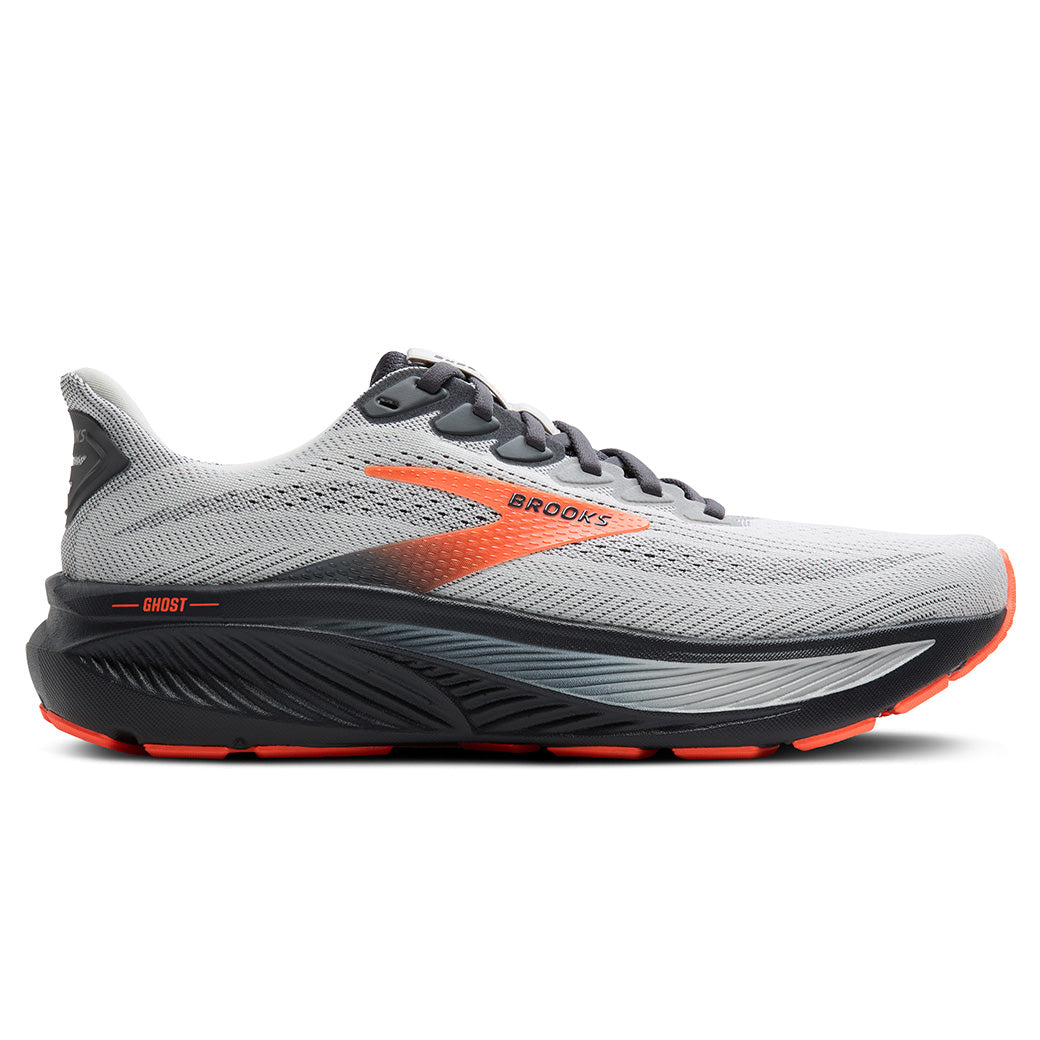 smooth
 smooth
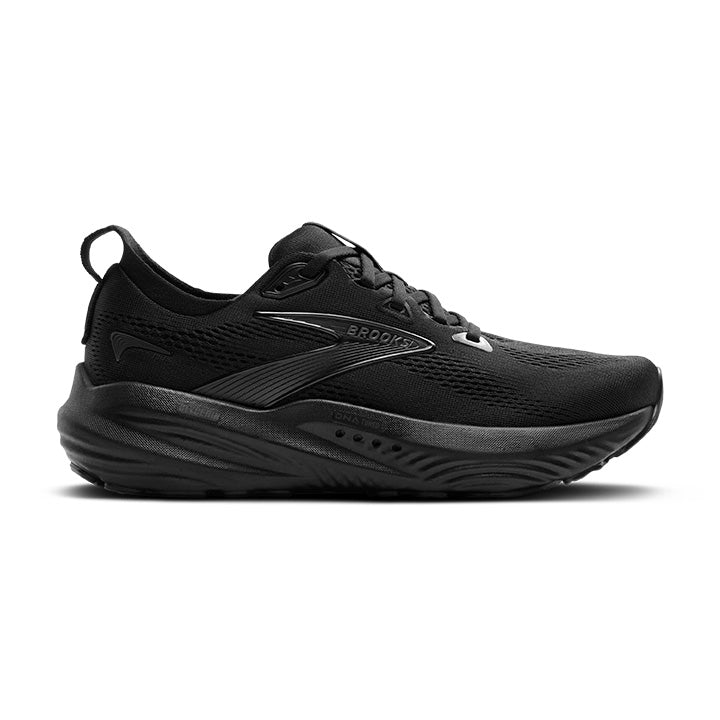 smooth
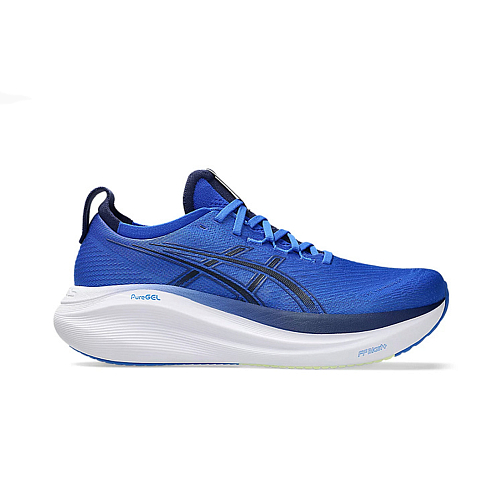 smooth
Browse the Neutral Daily Trainers collection for the model details behind this guide.