 smooth
Brooks · balanced cushion
Ghost 18
Best for: Current-generation everyday training
The updated Ghost line is the straightforward choice for runners who want a conventional, predictable daily ride.
NEUTRAL RUNNING SHOE · THE RIDE LAB
Neutral does not mean basic. Compare cushioning, rocker shape, drop, width and training purpose across 52 current model families and more than 100 men’s and women’s fit pathways.
INTERACTIVE RIDE FINDER
Four practical choices. Three model families. No gait diagnosis and no fake precision.
Choose your ride profile, then reveal a three-shoe starting point.
SHOP BY DECISION
Choose a collection for your running plans, preferred cushioning or fit requirements.
Buying collection
Buying collection
Buying collection
Buying collection
Fit collection
Buying collection
Buying collection
Buying collection
Buying collection
Buying collection
Endurance collection
Rotation collection
MODEL LIBRARY
Representative model families across balanced, plush, max-cushion and faster neutral rides.
As an Amazon Associate, we may earn from qualifying purchases.
smoothBrooks · balanced cushion
Best for: Current-generation everyday training
The updated Ghost line is the straightforward choice for runners who want a conventional, predictable daily ride.
 smooth
ASICS · plush cushion
Best for: Premium neutral cushioning
The latest Nimbus generation continues the line's soft, high-comfort role for easy and long mileage.
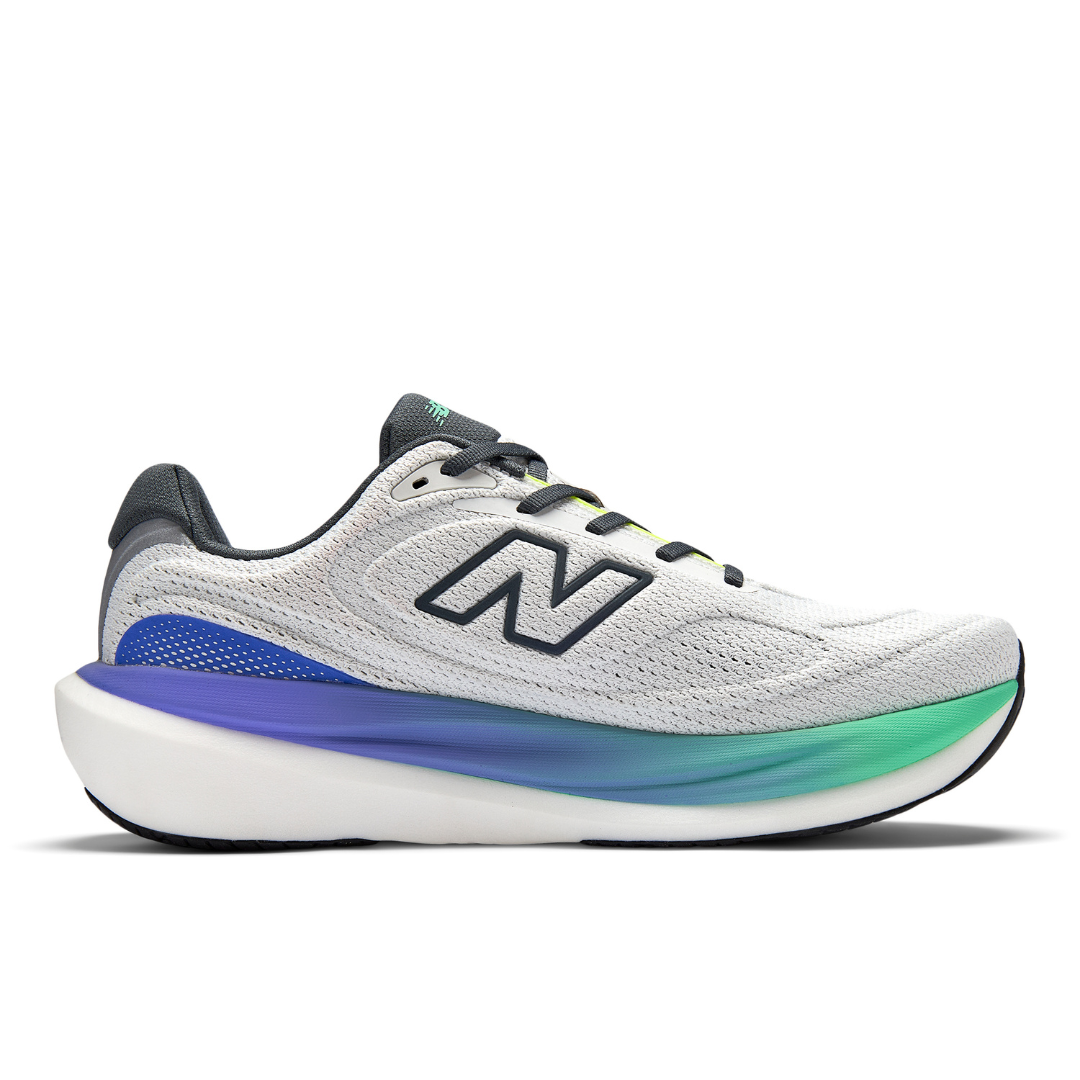 smooth
New Balance · plush cushion
Best for: Current premium daily cushioning
The newest 1080 keeps the line focused on smooth cushioning for everyday and endurance mileage.
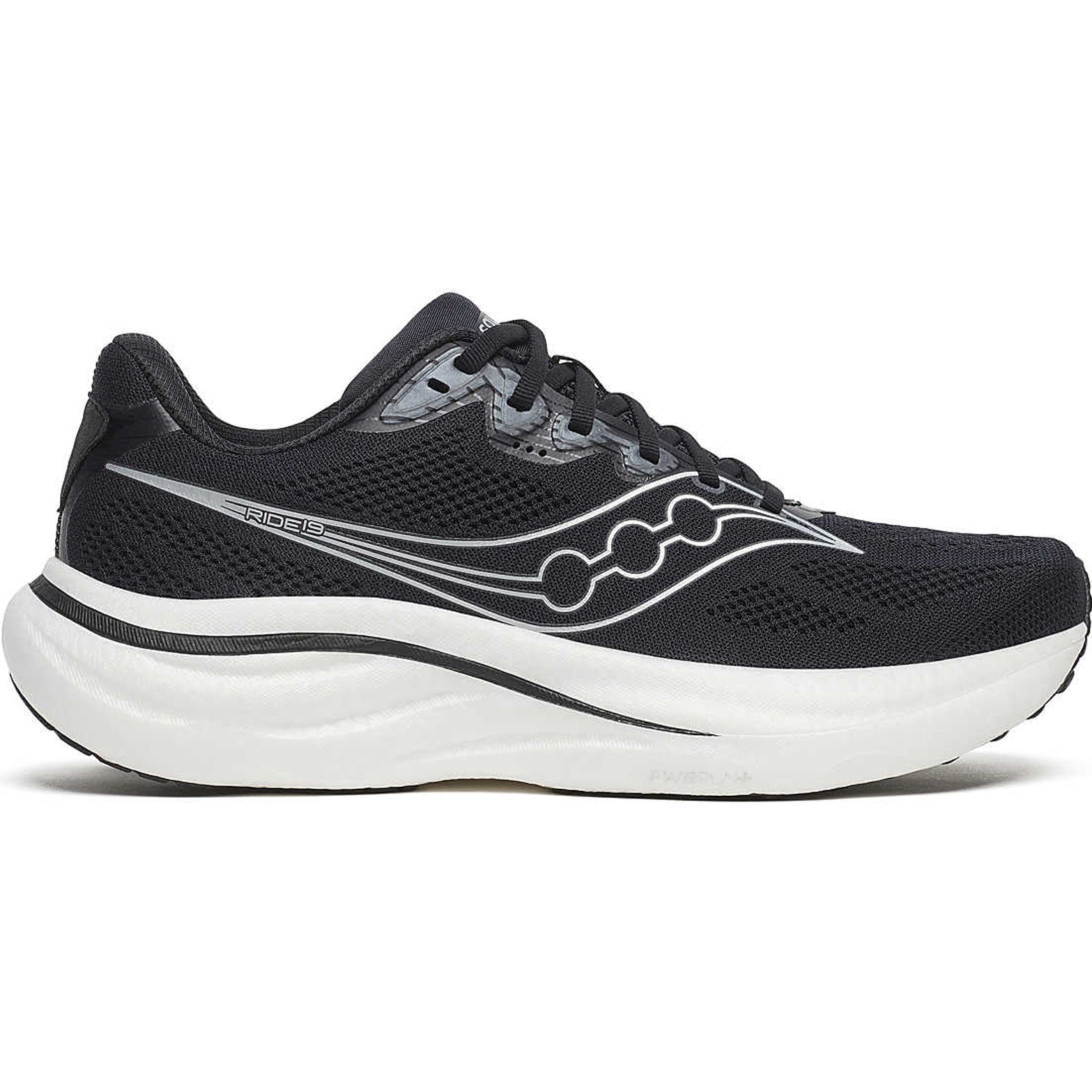 smooth
Saucony · balanced cushion
Best for: Current daily training
The current Ride remains a central neutral workhorse for runners who want one shoe for most miles.
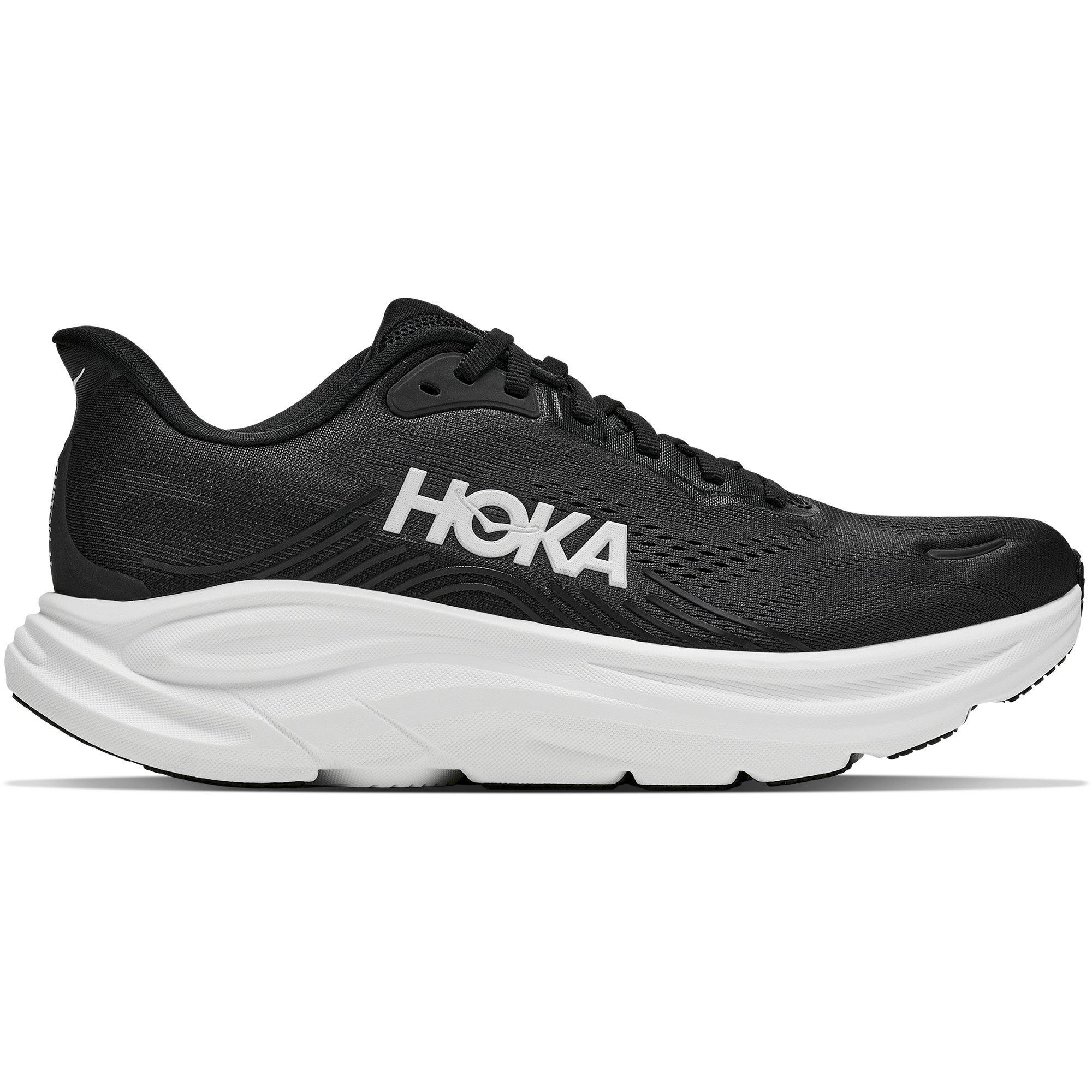 rockered
HOKA · plush cushion
Best for: Current lightweight cushioning
The latest Clifton continues the line's blend of a rolling transition and broad daily utility.
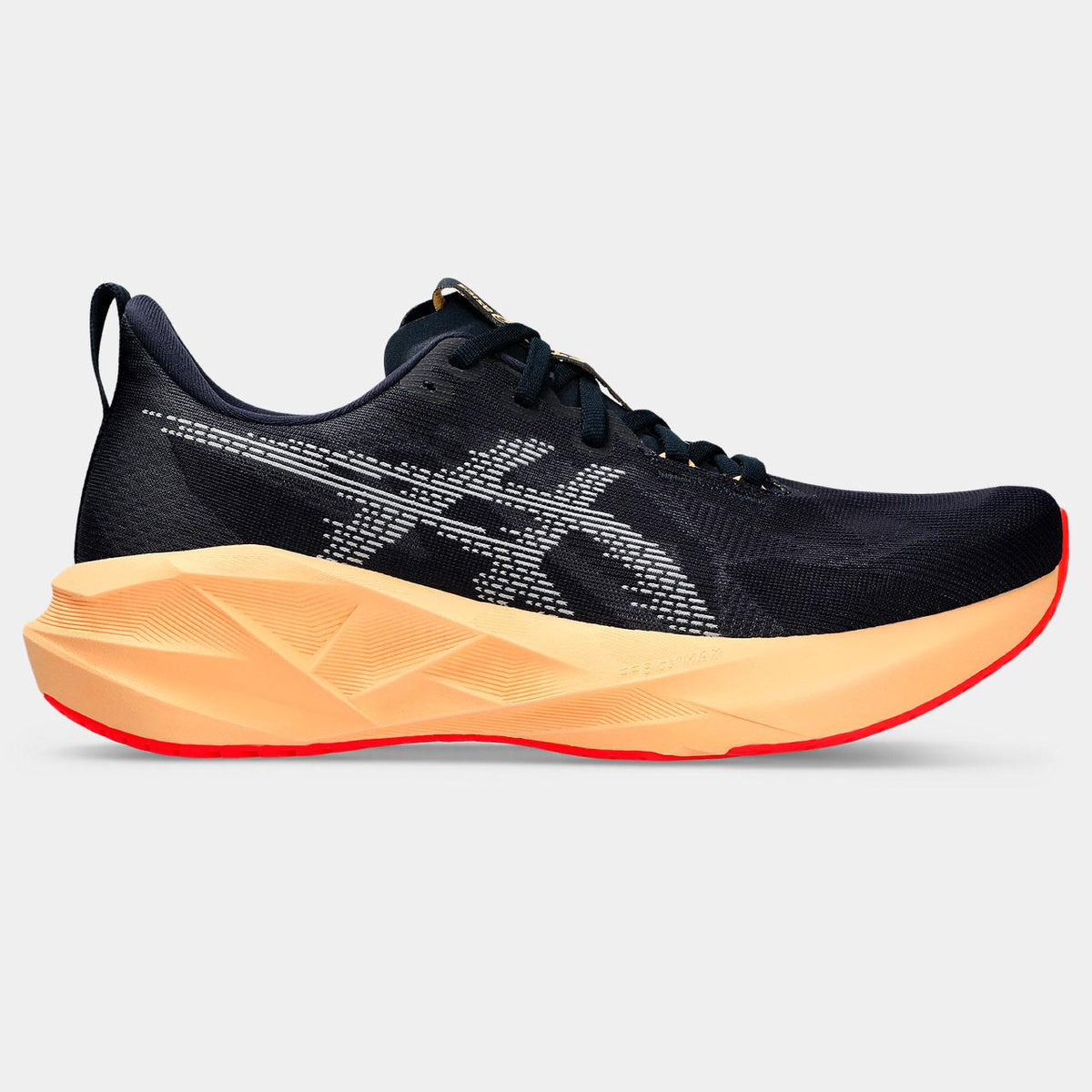 rockered
ASICS · responsive cushion
Best for: Energetic all-round training
A high-energy neutral trainer aimed at runners who want bounce for easy miles and progression runs.
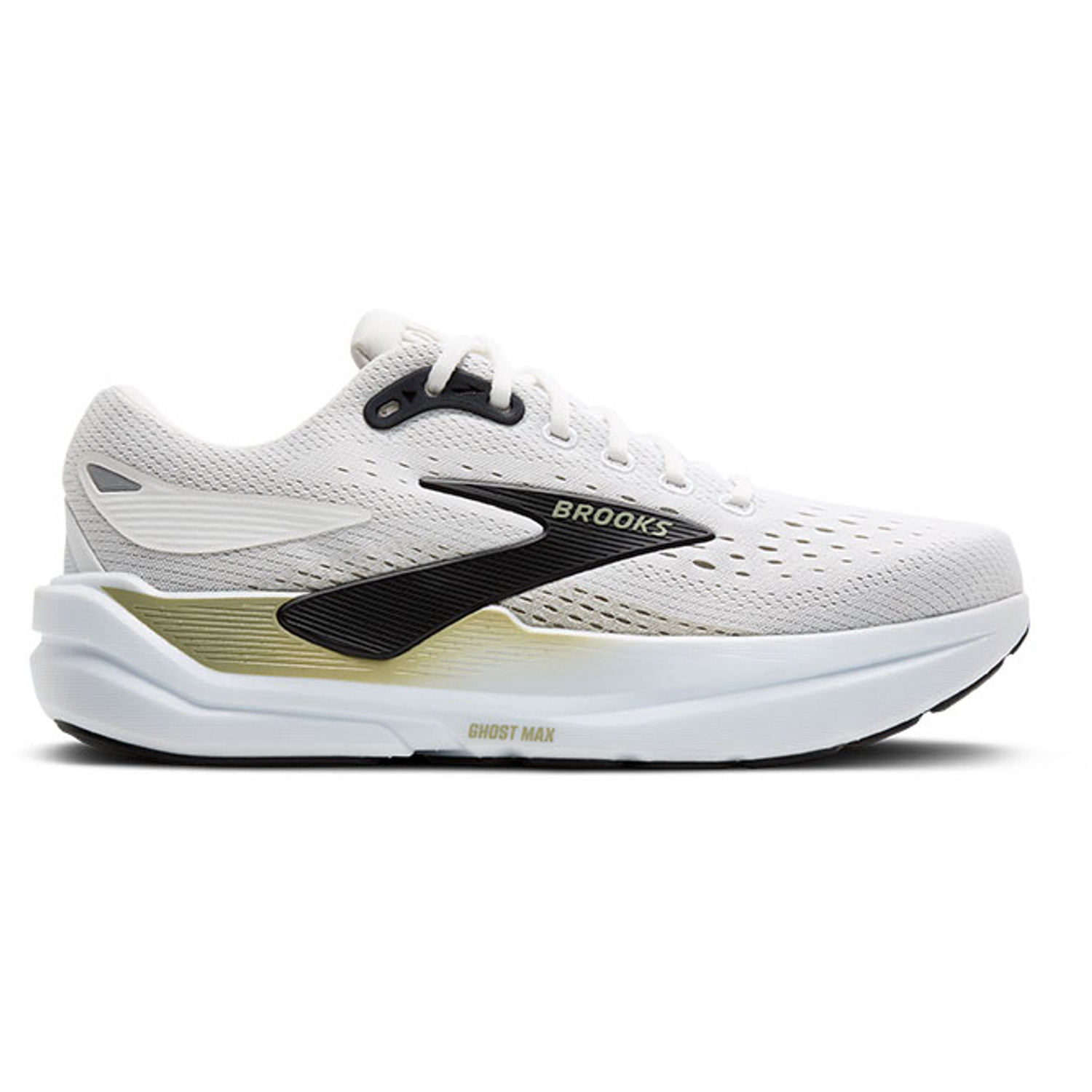 rockered
Brooks · max cushion
Best for: Protective cruising and long walks
A high-stack neutral option with a broad platform and rocker-led transition for easy, protective mileage.
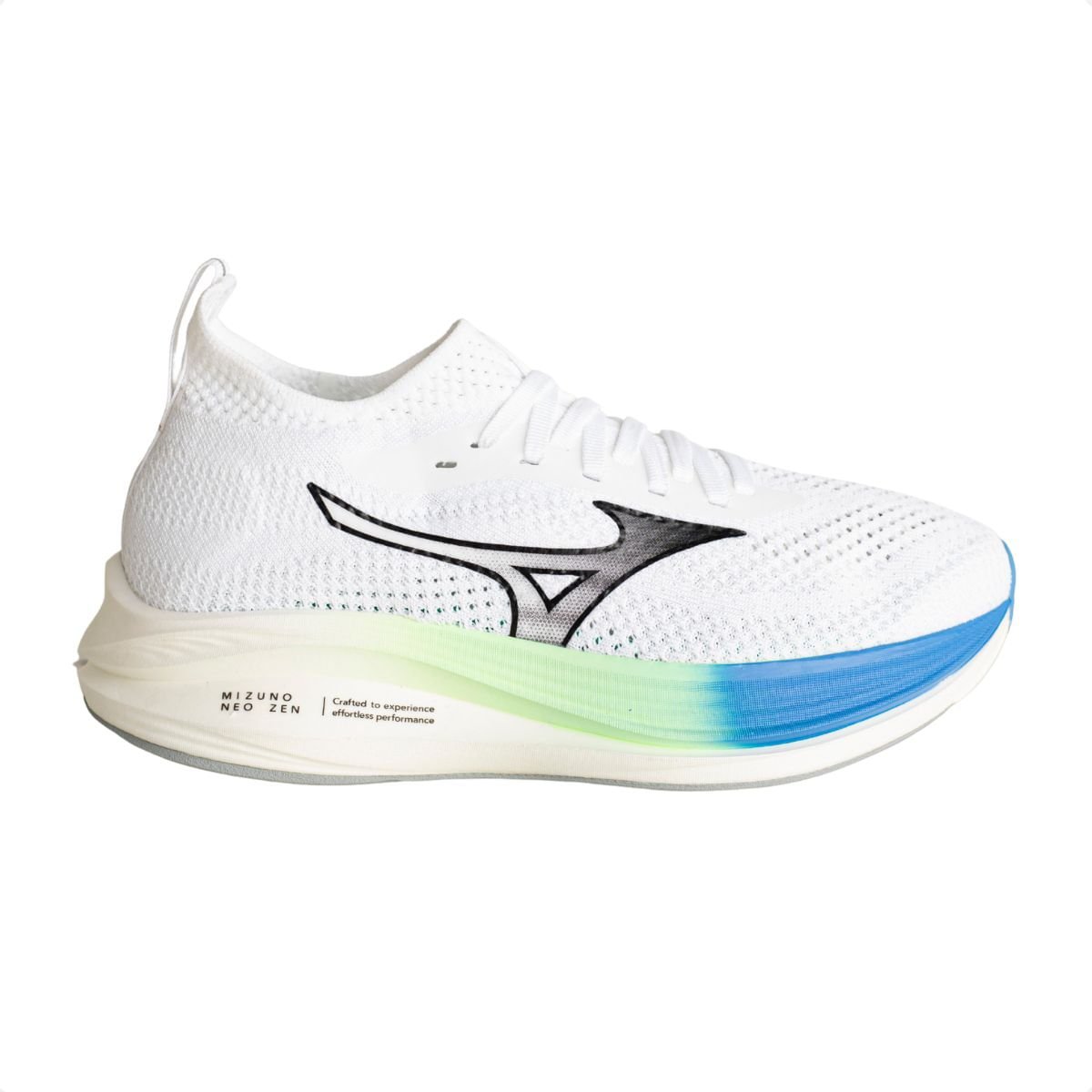 rockered
Mizuno · responsive cushion
Best for: Lightweight cushioned speed
A bouncy neutral super-trainer alternative for long workouts and quicker aerobic mileage.
THE FOUR RIDE FAMILIES
Use the category that describes how you want the shoe to behave.
RUNNING SHOE QUESTIONS
Understand shoe categories, compare models and work through common fit questions.
A neutral running shoe is generally sold without a dedicated stability system intended to manage motion. It can still be broad, cushioned and inherently stable; neutral describes the absence of corrective structure, not a lack of support.
Guide 01 definitionIn running shoes, neutral means the midsole is not built around a corrective stability mechanism. The shoe may still guide movement through its shape, sidewalls, width and rocker.
Guide 02 comparisonChoose between neutral and stability shoes by comparing comfort, movement and fatigue—not by assuming every inward roll needs correction. Neutral shoes generally lack a dedicated stability system; stability shoes add guidance that some runners find helpful.
Guide 03 comparisonSupport is an imprecise retail word. A neutral shoe can feel supportive through fit and geometry, while a stability shoe adds a specific guidance feature. Identify the feature instead of shopping by the label alone.
Guide 04 fitA neutral shoe is a sensible starting point when you run comfortably without corrective guidance, your current neutral shoes remain comfortable, and added stability features feel unnecessary or intrusive.
Guide 05 buyingRunners with a neutral gait can choose across the full spectrum of cushioning and geometry. Start with the training job, then select the ride feel and fit that make that job easier.
Guide 06 buyingThere is no single best neutral running shoe. The useful shortlist changes with the job: a balanced daily trainer, a protective long-run shoe, a lighter tempo option and—only if needed—a race shoe.
Guide 07 buyingThe best women's neutral running shoes pair the right ride with an upper and last that secure your heel without squeezing the forefoot. Our picks span balanced, plush and faster categories rather than treating women as one fit profile.
Guide 08 buyingMen's neutral running shoes should be compared by weekly role, not logo. Begin with a dependable daily trainer and add a long-run or speed shoe only when the extra role is clear.
Guide 09 buyingThe strongest neutral cushioned shoes preserve a smooth transition after the foam compresses. Choose balanced cushion for versatility, plush cushion for comfort and max cushion when more underfoot volume feels better than close ground contact.
Guide 10 buyingHigh arches often do well in neutral shoes with enough cushioning, a comfortable instep and a removable sockliner. Arch height alone does not determine how much guidance you need.
Guide 11 buyingNeutral cushioned shoes are commonly considered for supination because they avoid aggressive medial correction and offer cushioning without a dedicated inward-motion support system. The right choice still depends on fit, comfort and your injury history.
Guide 12QUICK ANSWERS
A neutral running shoe has no dedicated corrective stability system. It may still feel stable through its width, sidewalls, foam and rocker geometry.
No. Categories describe shoe construction, not who is allowed to wear it. Comfort, symptoms, training history and professional advice when needed should guide the choice.
They can have a shaped footbed and supportive upper, but they do not use a formal motion-control feature. Arch feel varies substantially by model.
No. Cushioning and guidance are separate dimensions. Both neutral and stability shoes can be soft, firm, low-stack or max-cushioned.
The heel and midfoot should feel secure while the toes have room to spread and accommodate swelling. The longest toe should not touch the front on descents.
Use mileage as a reminder, then judge cushioning, alignment, upper hold, outsole condition and changes in comfort. There is no single replacement number for every runner.