Buy for the miles that happen most often
Match the shoe to the majority of your weekly miles. If most outings are relaxed road runs, an everyday trainer should anchor the shortlist even when a racing model attracts more attention. A shoe selected for one hypothetical event may leave the routine sessions poorly served.
The listed models are starting points for comparing roles, not a universal finishing order. Availability in your actual size and width can eliminate an otherwise appealing candidate before small weight differences matter.
Decide which compromise you can accept
A plush shoe may appeal when underfoot comfort is the main priority. A less bulky model may be preferable when you frequently change pace. A rolling sole can feel helpful to one runner and distracting to another. None of those trade-offs can be settled by declaring one cushioning category best.
Avoid choosing max cushion solely because it sounds more protective. Describe the benefit you want in ordinary terms: less harshness, less forefoot pressure, or an easier-feeling transition. Then see whether the shoe actually provides that sensation during your intended activity.
Use a second pair to fill a real gap
Keep your current working pair in the decision. If it handles easy runs comfortably, a replacement with an almost identical role may be less useful than waiting until it wears out. Conversely, there is little reason to add a speed shoe when you do no faster running.
When two candidates both work
Fit and transition quality outrank small spec differences. When two models both work, practical details such as a familiar width, a suitable return policy and compatibility with your usual socks can settle the choice. This approach produces a personal best option without implying that one shoe outranks every alternative for every runner.
Key points to keep in mind
- Match the shoe to the majority of your weekly miles.
- Avoid choosing max cushion solely because it sounds more protective.
- Fit and transition quality outrank small spec differences.
Models worth comparing
As an Amazon Associate, we may earn from qualifying purchases. Model cards are catalog references, not results of a hands-on comparative test.
 smooth
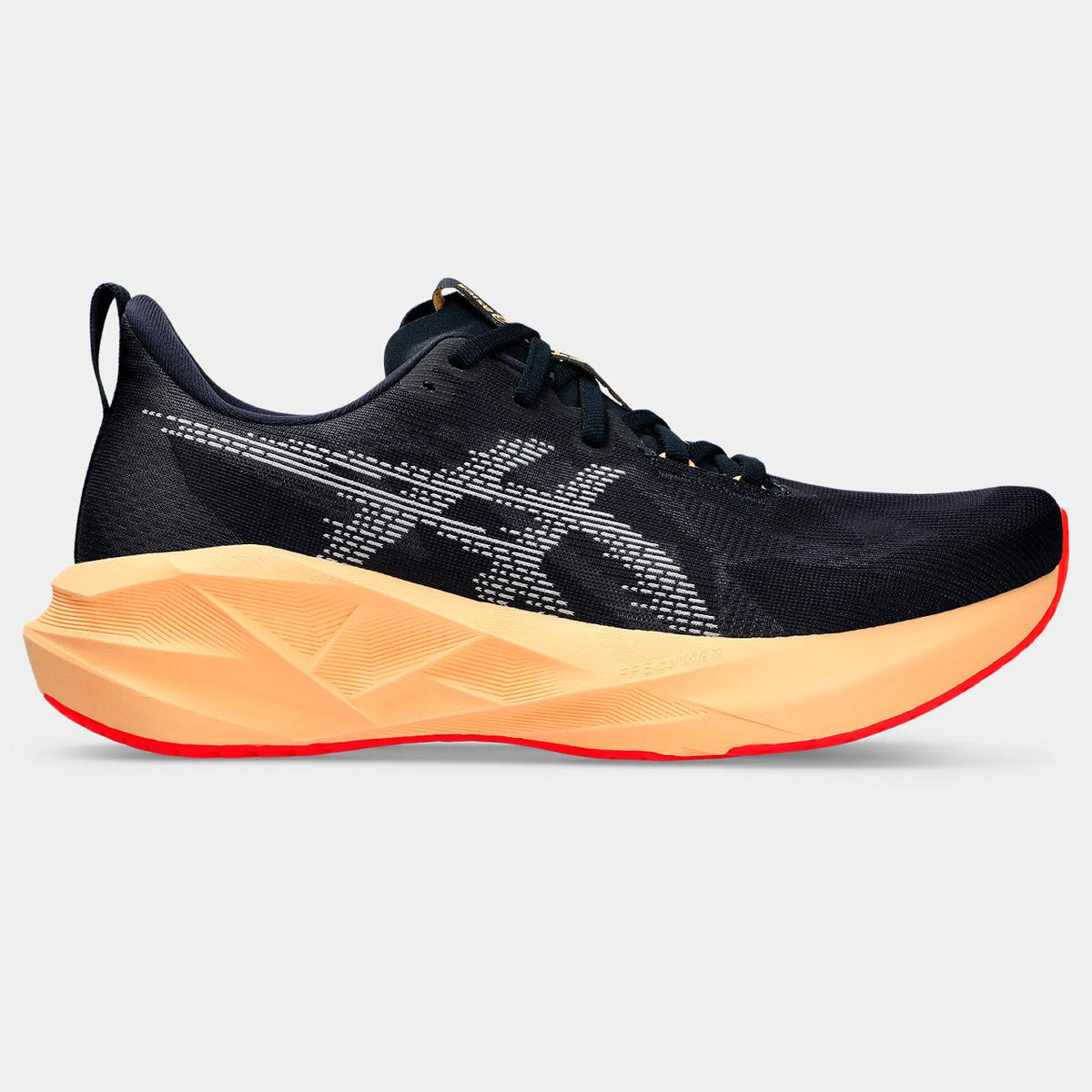 rockered
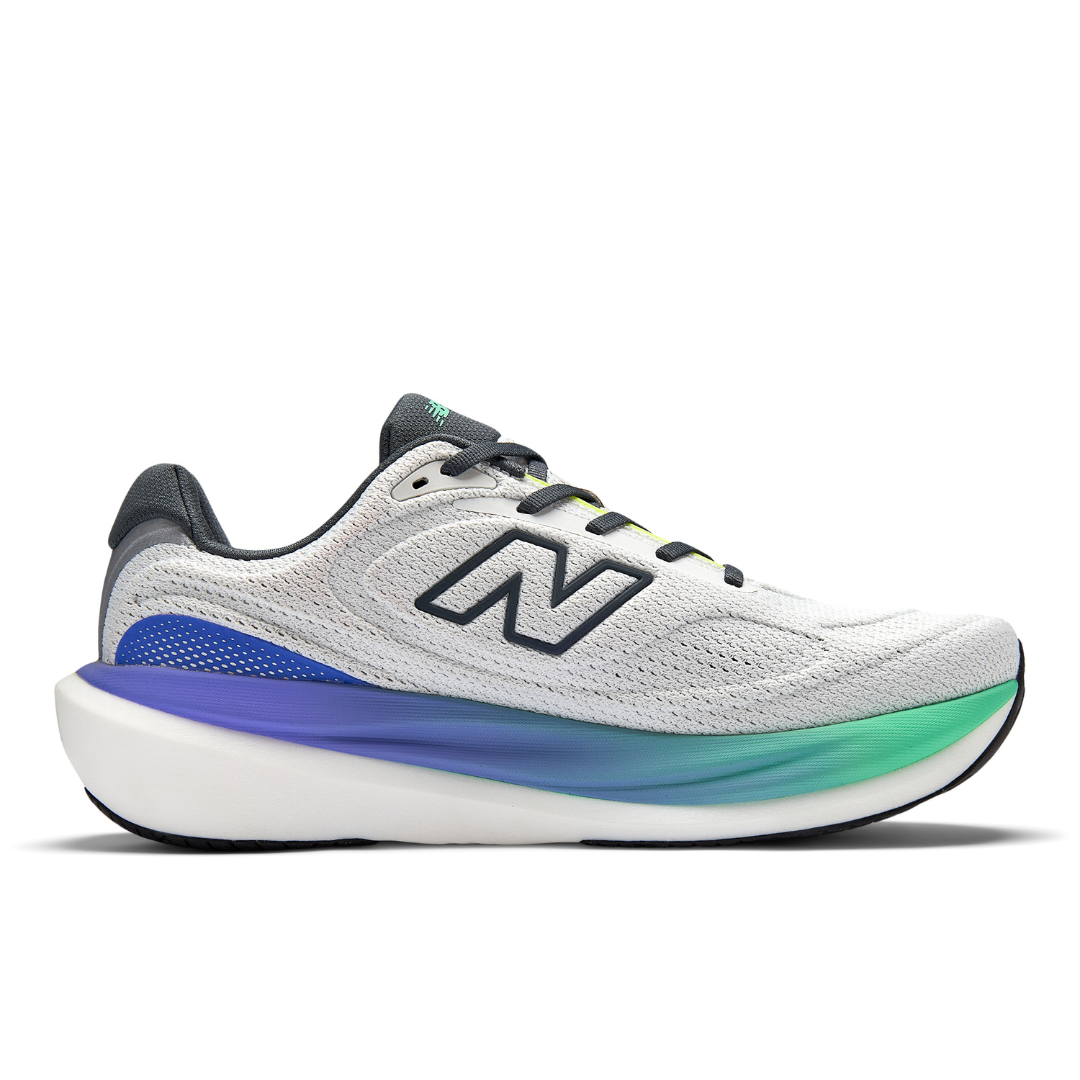 smooth
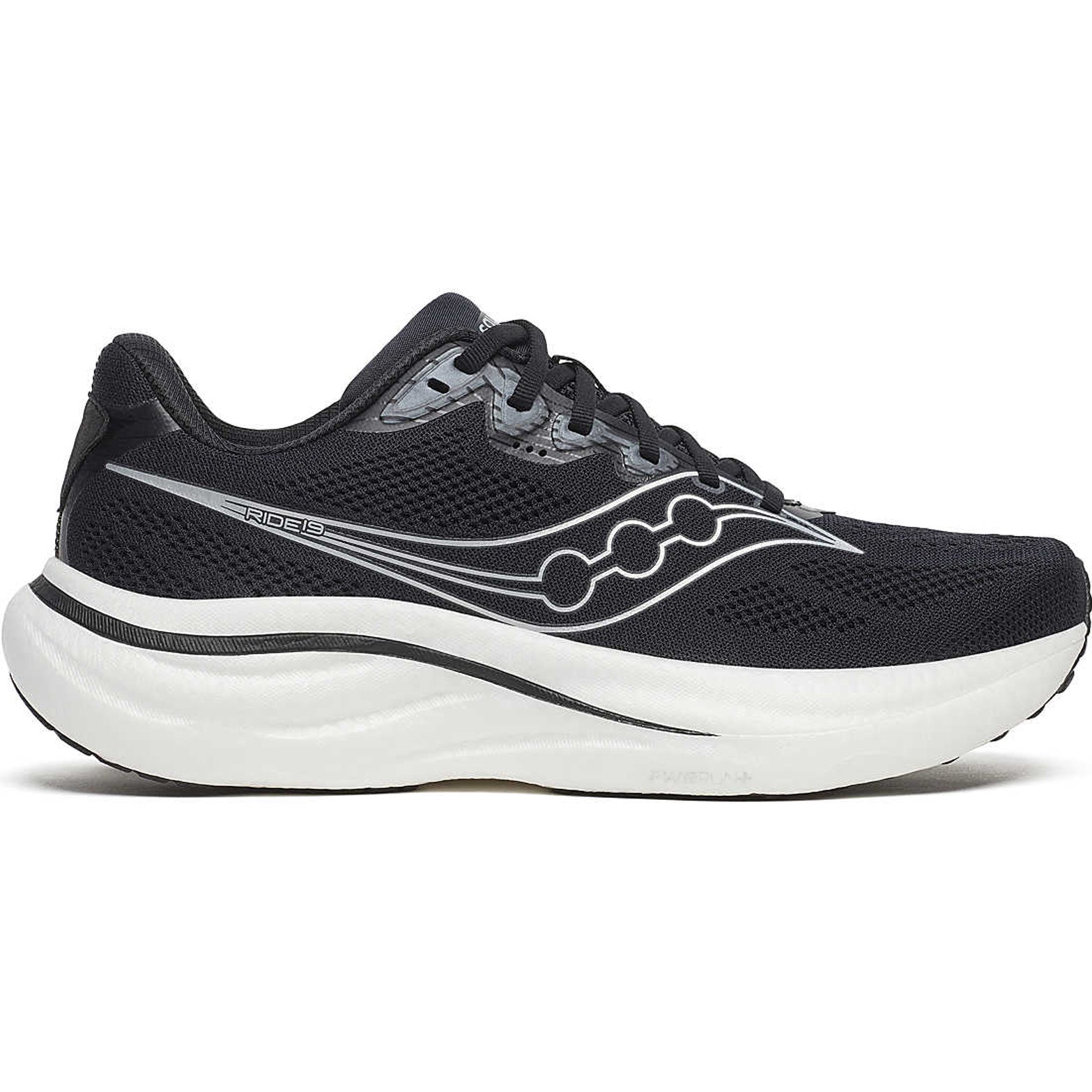 smooth
Browse the Neutral Daily Trainers collection for the model details behind this guide.