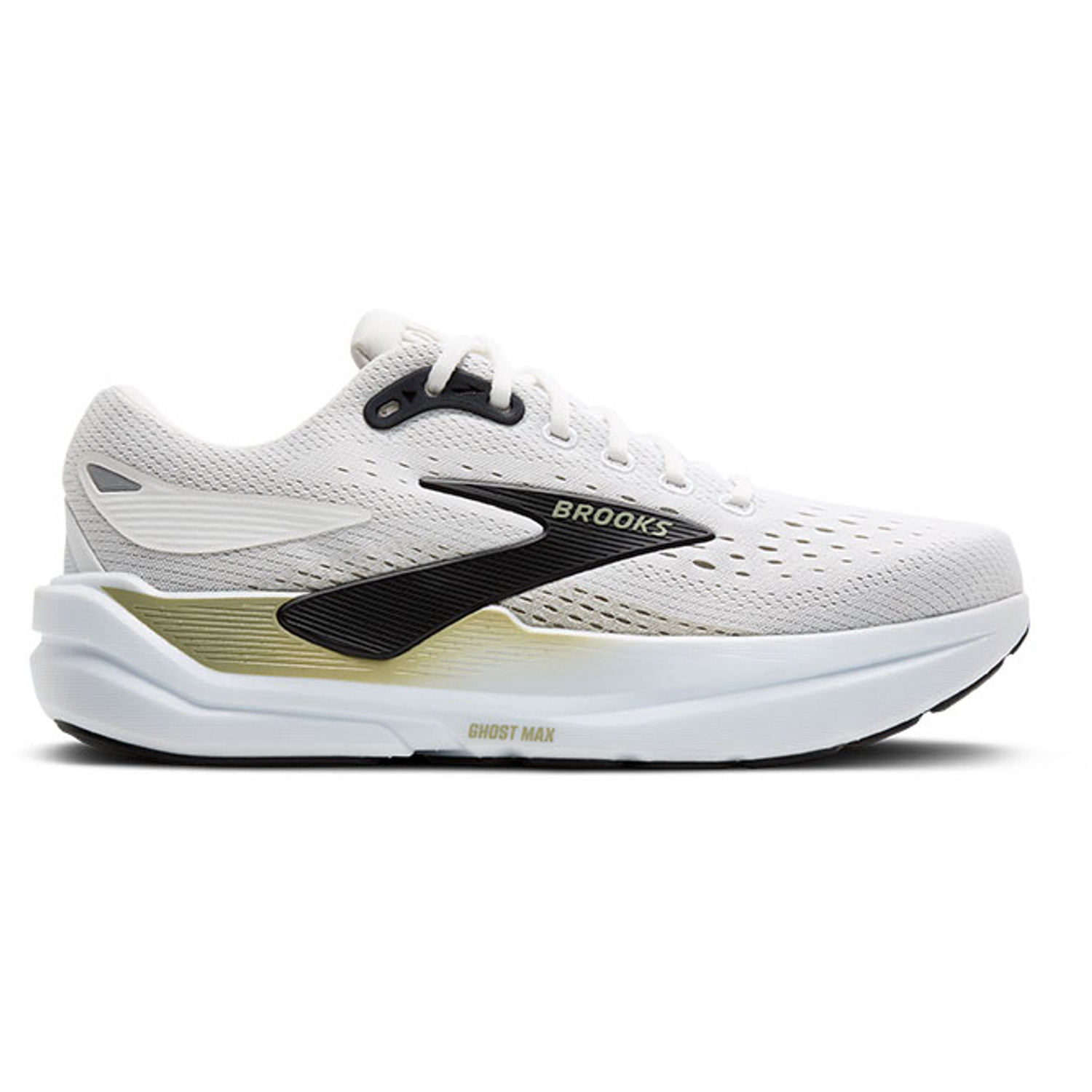
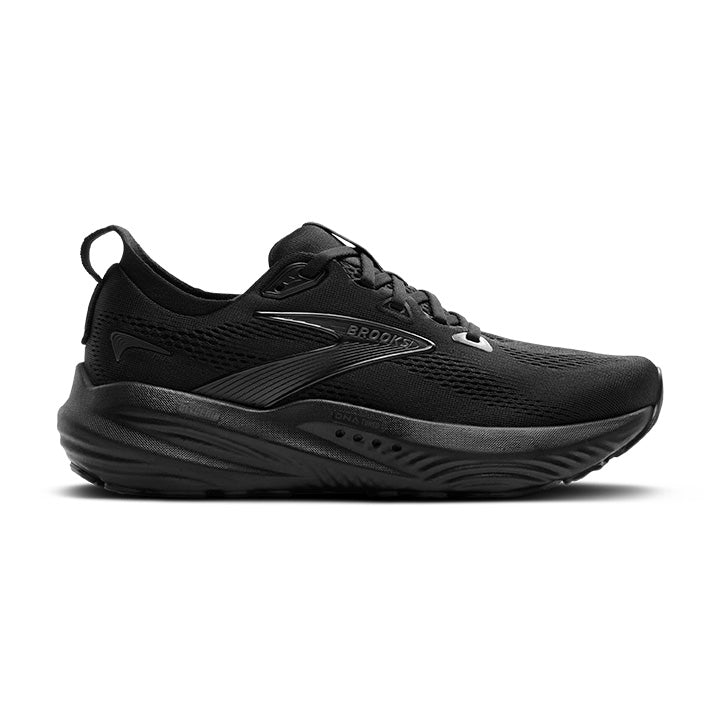
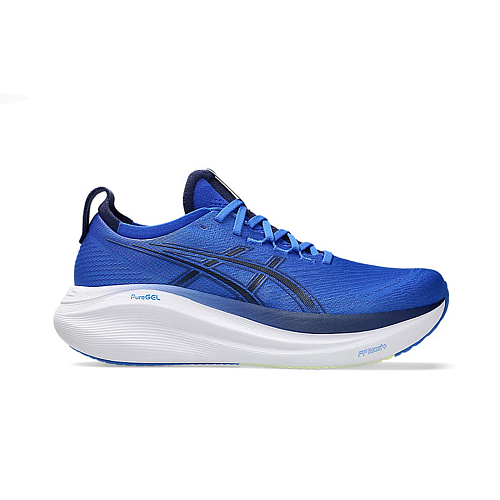
Quick answerNeutral cushioned shoes are commonly considered for supination because they avoid aggressive medial correction and can soften outside-edge loading. The right choice still depends on fit, comfort and your injury history.

A buying guide should narrow the field before it recommends anything. Start with purpose and fit, then use cushioning and geometry to remove options that do not match the runner's preference. The goal is not to force every runner into the same answer; it is to make the tradeoffs visible enough that the next fitting or short run test becomes more informative.

What matters most for this decision

Look for a smooth lateral transition rather than a hard outer edge. That point should be evaluated alongside the training job. A shoe intended for ordinary daily mileage has a different success standard than a lightweight workout shoe or a protective long-run model. Start with the session the shoe must handle most often, then decide how much softness, stack, flexibility or rocker influence you actually want.

Replace severely tilted shoes before judging a new model. Fit can overturn a strong paper match. A shoe that looks ideal by category may still create heel movement, instep pressure or forefoot compression. Conversely, a model with less impressive marketing can become the better choice because its last and transition allow the runner to move without distraction.

How to build a useful shortlist

1. Name the primary job

Write down whether this pair is for daily mileage, long runs, faster workouts, racing or walking. If the answer is “everything,” begin with a balanced neutral daily trainer. A versatile shoe usually provides more value than a highly specialized model used outside its intended role. Add a second shoe only when it solves a repeatable need.

2. Choose the ride family

Balanced cushioning is moderate and predictable. Plush cushioning emphasizes softness and step-in comfort. Maximum cushioning adds stack and protection, often with more rocker influence. Responsive cushioning emphasizes energy return, lower weight or propulsion. These labels are comparative, and foam feel changes with pace, temperature and runner weight.

3. Decide how the shoe should transition

Flexible shoes bend more naturally through the forefoot. Rockered shoes use a curved sole to move the body forward with less forefoot bending. Snappier performance models can add plates or firmer geometry. None is automatically superior. The best transition is the one that feels smooth at the pace and distance you actually run.

4. Validate fit before features

Leave functional space ahead of the longest toe. Keep the heel seated without excessive lace pressure. Check forefoot width and instep volume separately. If width is the problem, try a true wide size before increasing length. Bring normal socks and any prescribed orthotic to the fitting.

Three details people often miss

  • Look for a smooth lateral transition rather than a hard outer edge.
  • Replace severely tilted shoes before judging a new model.
  • Persistent pain deserves a qualified gait or medical assessment.

Persistent pain deserves a qualified gait or medical assessment. This is especially important when online pages collapse multiple generations, men's and women's versions, and different widths into one review. Current versions can change foam, geometry and upper volume while keeping the same family name.

How to test the answer in a real run

Use a short familiar route and begin at easy pace. Include turns, a mild incline and several brief pickups if the shoe will handle faster running. Note heel hold, arch pressure, toe room and whether the transition remains quiet. A shoe should not require pain, numbness or severe rubbing to “break in.” Small upper settling is different from a fundamentally wrong shape.

When comparing two shoes, control the variables: same socks, similar conditions and the same training session. Avoid changing shoe drop, weekly mileage and speed work simultaneously. If discomfort is persistent, worsening or connected to injury, stop treating the choice as a shopping puzzle and seek qualified help.

Models worth comparing

As an Amazon Associate, we may earn from qualifying purchases. We do not display prices because Amazon availability and offers can change.

Final verdict

Neutral cushioned shoes are commonly considered for supination because they avoid aggressive medial correction and can soften outside-edge loading. The right choice still depends on fit, comfort and your injury history. Use that answer to narrow the field, then let fit and a repeatable short run decide. The next shopping step is the Neutral Running Shoes for Supination collection, where every qualifying catalog model is grouped under this narrower intent. You can build a fresh three-model shortlist whenever you want to restart from the full decision tool.

Frequently asked questions

What is the short answer to “neutral running shoes for supination”?

Neutral cushioned shoes are commonly considered for supination because they avoid aggressive medial correction and can soften outside-edge loading. The right choice still depends on fit, comfort and your injury history.

Does neutral mean a shoe has no support?

No. A neutral shoe can feel supportive through fit, platform width, sidewalls, foam and rocker geometry. It simply lacks a dedicated corrective stability mechanism.

Can an online guide diagnose my gait?

No. Online content can explain categories and shopping factors, but persistent pain, injury or clinical questions require qualified professional evaluation.