Pronation is a movement, not a product label
Pronation describes a combination of movements as the foot accepts load. It is not simply the visible height of the arch, nor is it identical to where the sole first touches the ground. A heel-first runner and a forefoot-first runner can both pronate.
Do not treat all pronation as a fault. The word becomes less useful when it is used as shorthand for any inward movement, because that removes the timing, amount and context. A shoe category cannot tell you those details about your stride.
Why a neutral shoe can still influence movement
Neutral shoes generally lack a dedicated corrective guidance system, but the foot does not move independently of the shoe. The shape of the sole, the space inside the upper and how the platform behaves under load can affect your experience.
This is why two neutral shoes can feel very different without either being mislabeled. One may feel easy to balance over while another feels less predictable. Describing that difference is more informative than assuming neutral means the shoe has no influence at all.
Keep observation separate from diagnosis
Video is one data point, not a diagnosis. A rear view can show visible movement, but it cannot by itself establish the cause of pain or identify the shoe that will prevent it. Standing posture and running movement also answer different questions.
Research in novice runners found that moderate pronation was not associated with higher injury risk while using neutral shoes. That is a reason to avoid blanket correction claims, not permission to ignore symptoms or generalize to every foot and injury.
Use a more precise question at a fitting
Instead of asking whether your foot moves too much, ask what the fitter noticed and what feature they propose comparing. For example, is the concern upper hold, an uncomfortable platform edge or your response late in a run? A specific explanation makes a neutral-versus-guidance comparison more useful and leaves room for follow-up if discomfort persists.
Key points to keep in mind
- Do not treat all pronation as a fault.
- Video is one data point, not a diagnosis.
- Choose shoes around comfort, training and symptoms.
Models worth comparing
As an Amazon Associate, we may earn from qualifying purchases. Model cards are catalog references, not results of a hands-on comparative test.
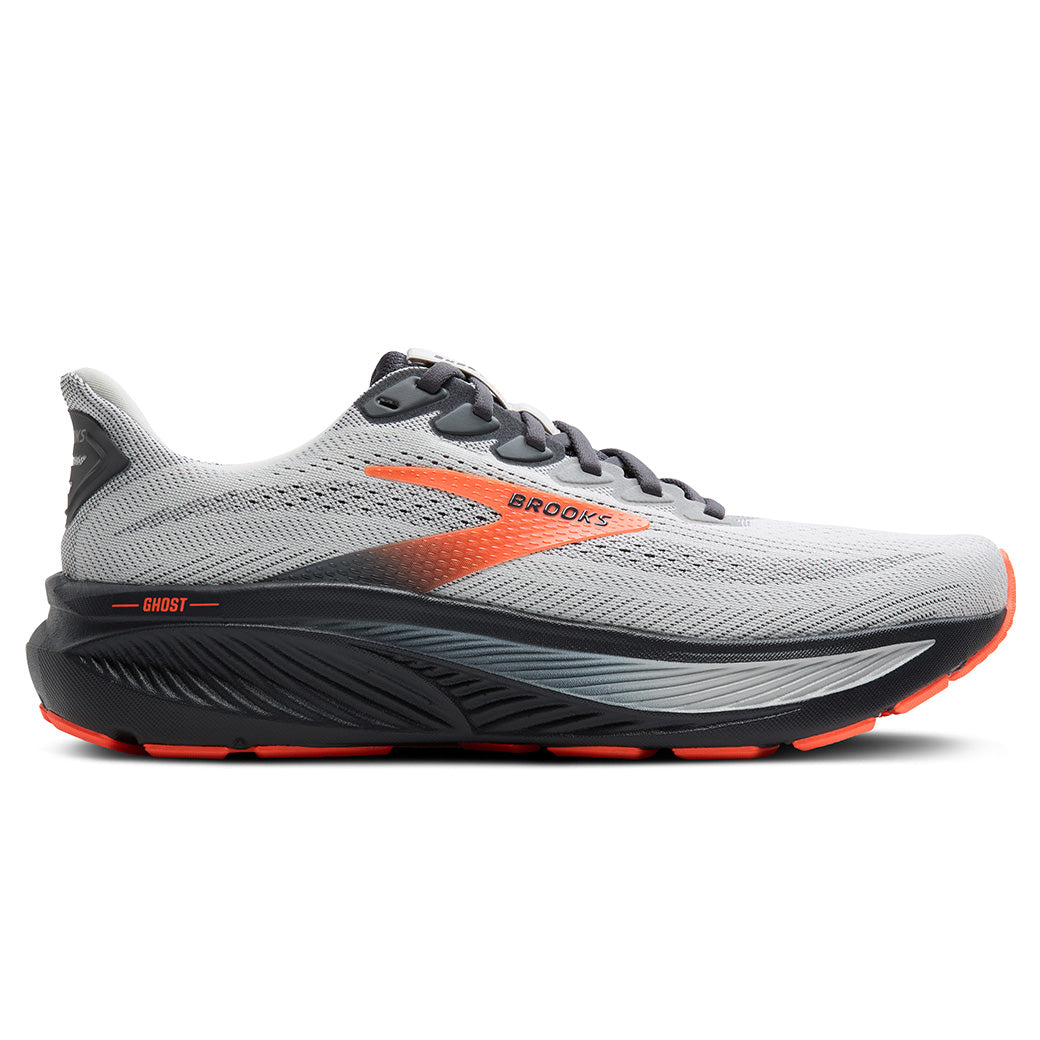 smooth
 smooth
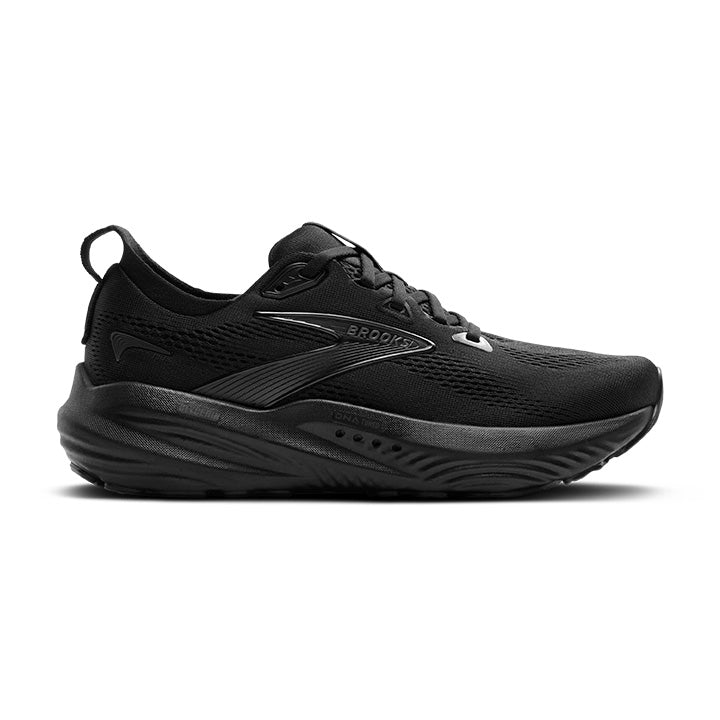 smooth
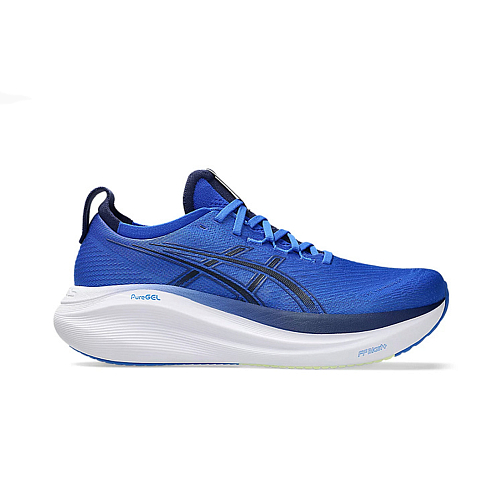 smooth
Browse the Neutral Daily Trainers collection for the model details behind this guide.