Ask what the description is based on
Overpronation may be used to describe a standing foot posture, visible movement on a treadmill, or a retail screening result. Before changing shoes, ask what was actually observed and whether it relates to any symptoms. A label without that context gives you little guidance about a particular model.
If you have been running comfortably in neutral shoes, the label alone is not a reason to discard them. If you have recurring pain, however, a broad neutral platform is not a substitute for finding out what is causing it. Symptoms and history matter more than a universal rule for the category.
The evidence supports a qualified answer
A prospective study of novice runners in neutral shoes did not find that moderate pronation increased injury risk; its authors said more research was needed for highly pronated feet. A separate randomized trial found a benefit from motion-control shoes in the subgroup with pronated feet.
These results address different comparisons. They do not justify saying either that guidance is always necessary or that it never helps. They support leaving room for an individual choice rather than treating a single observation of inward motion as a complete shoe prescription.
Make a category change easy to evaluate
Use a gradual trial when changing categories. Start with a familiar, shorter run rather than changing shoes, distance and intensity together. Write down where and when discomfort appears, including how you feel afterward, so the comparison is more specific than good or bad.
Keep a comfortable established pair available while evaluating the alternative. Do not continue a painful experiment in the hope that a neutral shoe will train away the motion. Seek clinical help for persistent or worsening pain, and bring your shoe history and training changes to that conversation. A useful assessment should consider more than the appearance of your arch.
Key points to keep in mind
- Symptoms and history matter.
- Use a gradual trial when changing categories.
- Seek clinical help for persistent or worsening pain.
Models worth comparing
As an Amazon Associate, we may earn from qualifying purchases. Model cards are catalog references, not results of a hands-on comparative test.
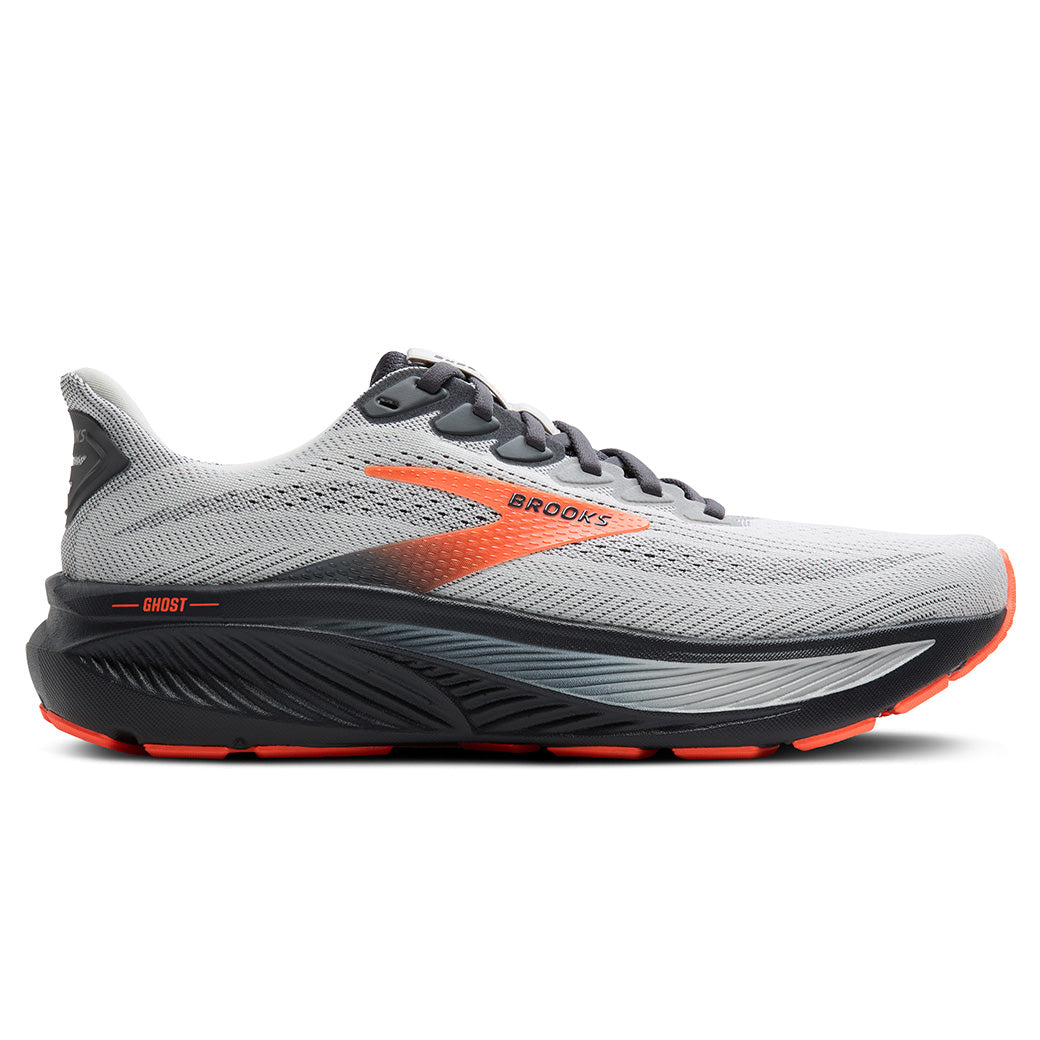 smooth
 smooth
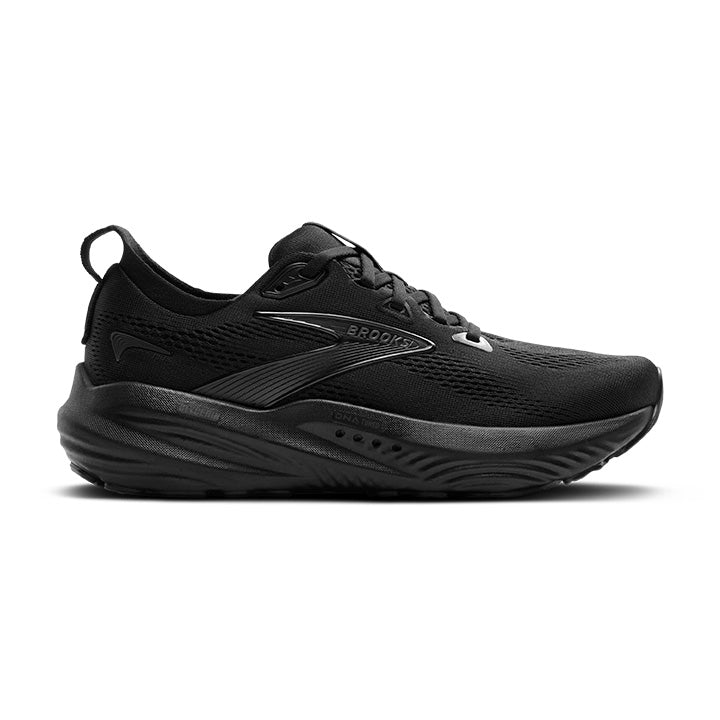 smooth
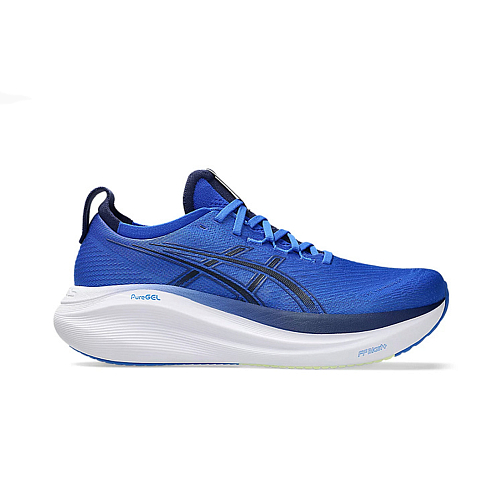 smooth
Browse the Neutral Daily Trainers collection for the model details behind this guide.
Sources and further reading
- Nielsen and colleagues: Foot pronation and injury in novice runners wearing neutral shoes
- Malisoux and colleagues: Standard versus motion-control running shoes