Ask what is providing the support
A salesperson may use support to mean that the heel does not slip, that the arch area feels snug, or that the midsole includes a guidance feature. Those are different characteristics. A shoe can solve the first problem and make the second worse, so the word alone is not enough to choose between models.
Describe the problem precisely: the heel lifts, the midfoot slides, or a ridge presses against the arch. Then ask which part of the proposed shoe addresses that problem. This gives the fitting conversation a useful direction.
Check the model name and technology
Some brands sell similarly named shoes with different support systems. Check the complete name on the box and product listing rather than assuming two shoes from the same family have identical construction. Retail categories may also lag behind a manufacturer’s newer terminology.
Brooks, for example, publishes a four-category support framework. That is a useful reminder that support is not a single on/off property shared identically by every brand. Look for the manufacturer’s explanation of the feature behind the label.
Compare models in the same cushioning class. If the shoe advertised as supportive is much firmer, ask whether you like that firmness rather than assuming a guidance system is responsible for the improvement. The reverse applies when a soft upper initially feels more comfortable.
Choose a design that remains comfortable through the run, without using a rigid rule that less or more structure is always better. A supportive sensation is a preference to investigate; it is not evidence that the shoe has corrected a medical condition or that another category would harm you.
Key points to keep in mind
- Ask whether support means arch shape, upper hold or motion guidance.
- Compare models in the same cushioning class.
- Choose the least intrusive design that remains comfortable through the run.
Models worth comparing
As an Amazon Associate, we may earn from qualifying purchases. Model cards are catalog references, not results of a hands-on comparative test.
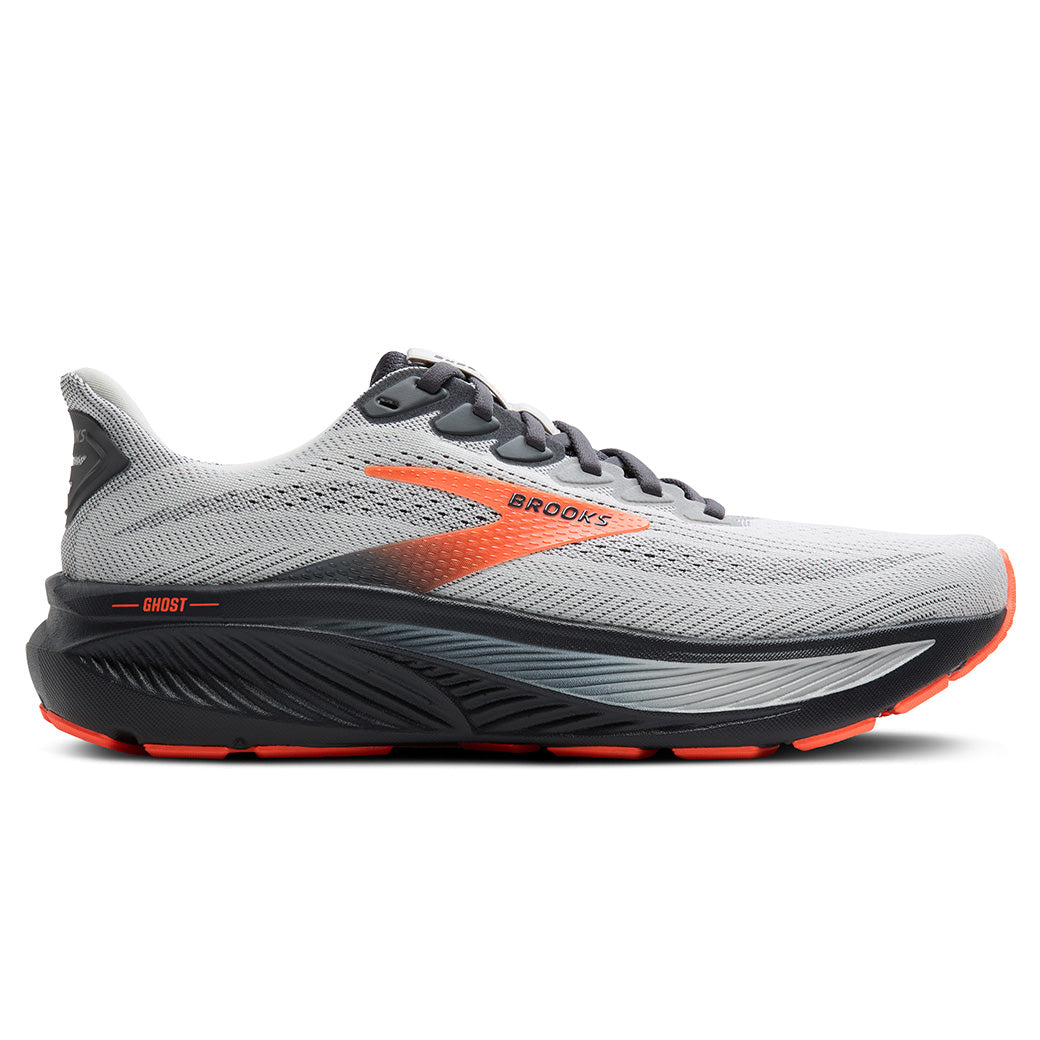 smooth
 smooth
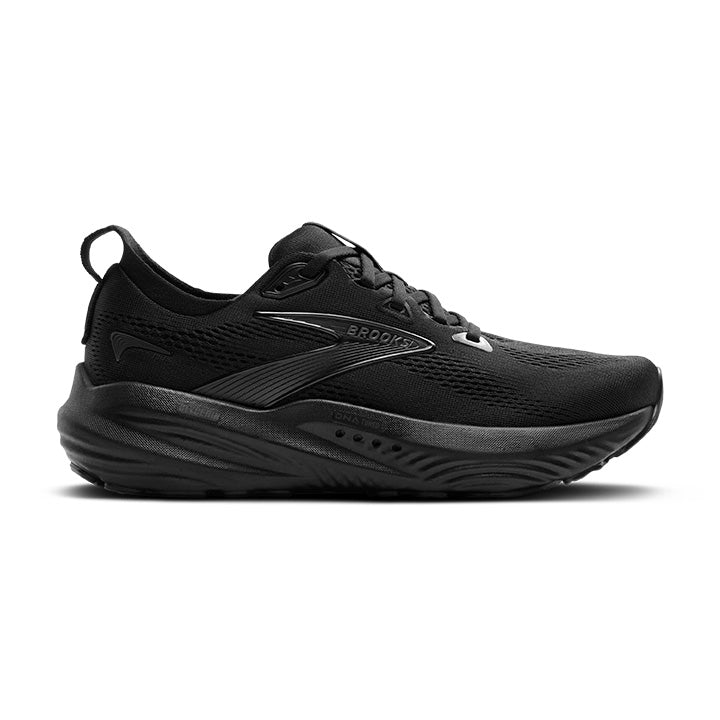 smooth
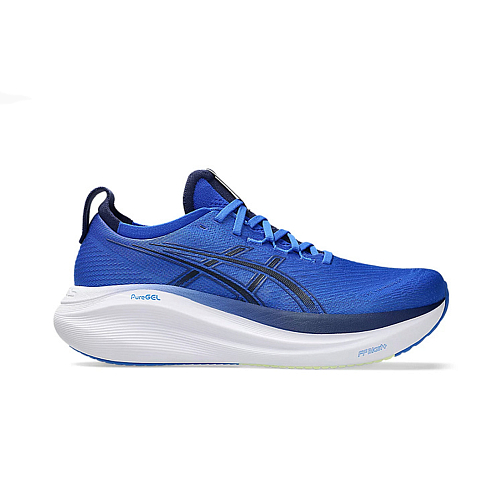 smooth
Browse the Neutral Daily Trainers collection for the model details behind this guide.