Define long distance by your outing
For shoe selection, time on your feet is often a more useful description than a distance label alone. The same route can mean very different durations for two runners. Tell a fitter how long you expect to be out and whether the route includes hills, rough pavement or walking breaks.
Long-distance comfort should be evaluated against outings you are already prepared to do. Do not add an unusually long run purely to test a new shoe. Build the trial into training that was already planned.
Record when discomfort starts
Judge the shoe after a medium-long run, not only a store lap. Note whether a problem appears at the same time or location: toe pressure on descents, rubbing after an hour or an underfoot sensation late in the outing. Those details point toward different possible changes.
Leave room for swelling without making the shoe so loose that your foot slides. The useful balance is secure hold with sufficient space, not simply the largest size you can tolerate. Repeatedly overtightening the laces to stop movement may signal that the shape is wrong.
Separate footwear from the rest of the run
Use fueling and training history when interpreting foot fatigue. A difficult outing does not by itself prove that the foam is inadequate. Likewise, a comfortable short run does not guarantee comfort over a much longer duration. Compare several ordinary sessions before drawing a strong conclusion.
If a shoe remains agreeable through your established long runs, there is no need to replace it solely because another model is labeled maximum cushion. For the next purchase, preserve what worked: toe space, upper security and transition. Change the feature associated with the actual problem rather than replacing every aspect of a successful setup at once.
Key points to keep in mind
- Judge the shoe after a medium-long run, not a store lap.
- Leave room for swelling.
- Use fueling and training history when interpreting foot fatigue.
Models worth comparing
As an Amazon Associate, we may earn from qualifying purchases. Model cards are catalog references, not results of a hands-on comparative test.
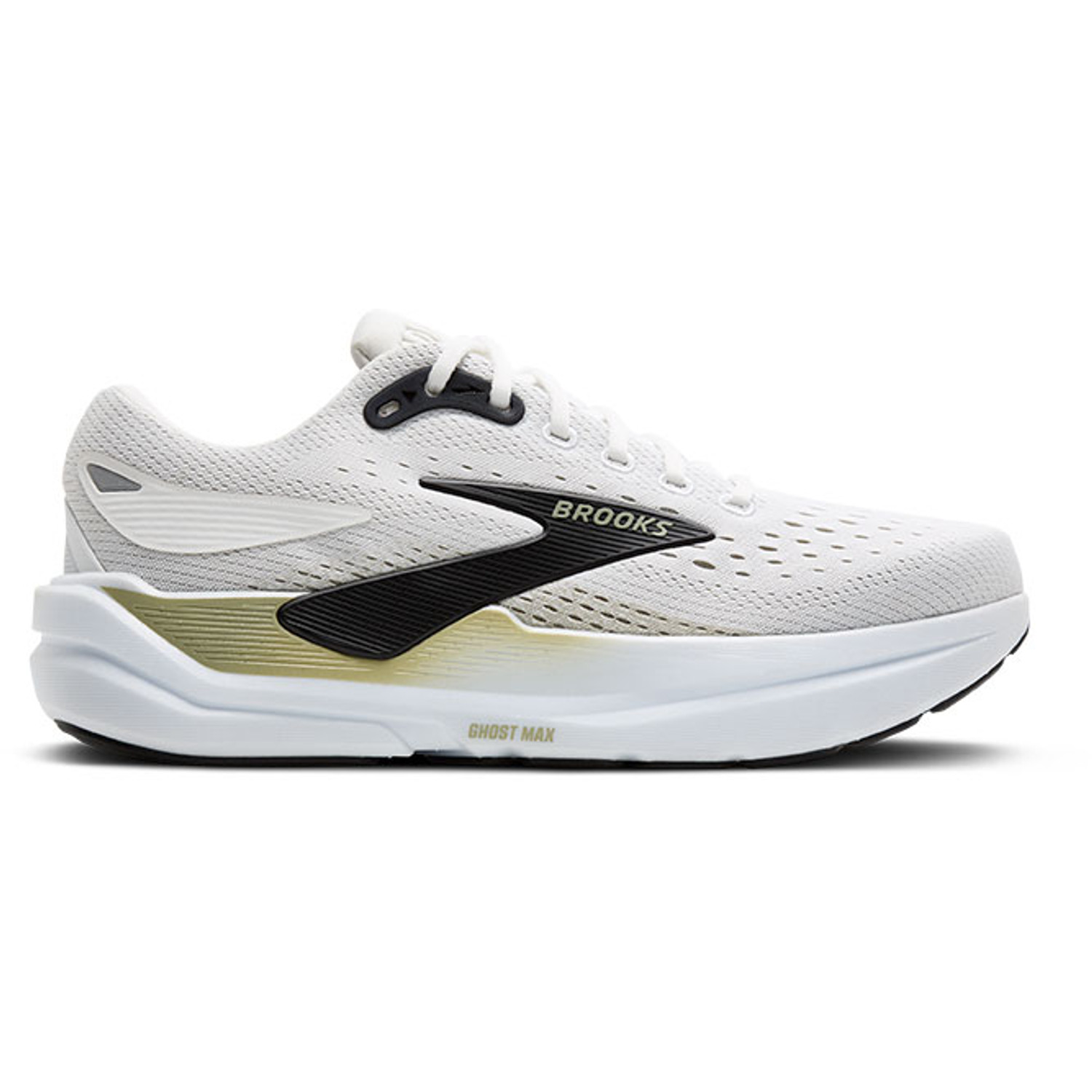 rockered
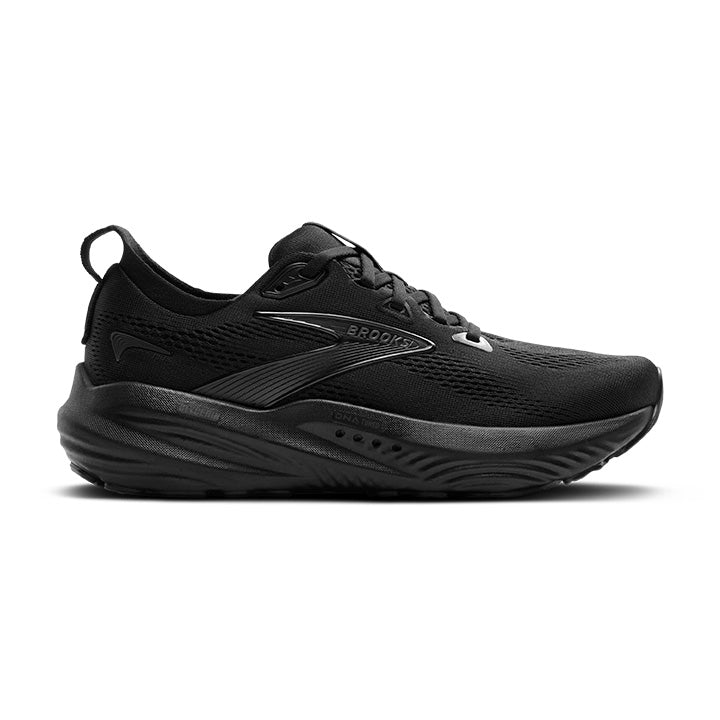 smooth
 rockered
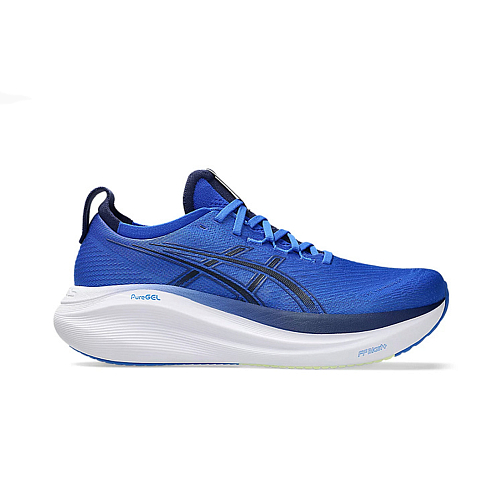 smooth
Browse the Neutral Running Shoes for Long Distance collection for the model details behind this guide.