Begin with both feet under load
Try both shoes because feet often differ. Stand rather than judging length only while seated, and check the longest toe rather than assuming it is the big toe. AAOS recommends at least a half-inch between the longest toe and the shoe end; use that as a starting check alongside heel security and the actual shape of the toe box.
Measure late in the day and use the socks and orthotics you run in. If an insert changes how high your heel sits, reassess the collar and depth instead of simply copying your previous size. The printed size is the start of the fitting process, not its result.
Separate length, width and volume
Length is the space ahead of the toes. Width is the side-to-side room, particularly around the ball of the foot. Volume is the vertical room over the toes and instep. A shoe can pass one check and fail another, which is why buying a longer size to solve every pressure point often disappoints.
Loosen and retie the laces before rejecting a shoe for pressure over the instep. If the sidewall still pushes into your foot or the toes remain compressed, compare a wider size or different last. Lacing can change upper tension, but not the underlying outline of the sole.
Finish with movement rather than a seated squeeze
Walk, jog and turn in the pair if the retailer permits it. Watch for the heel lifting, the foot sliding forward, or one part of the upper rubbing repeatedly. Snug hold and uncomfortable compression are not the same thing.
In a flexible shoe, check that bending occurs comfortably near the ball of your foot. A stiff rocker may roll rather than visibly bend there, so do not reject every rockered shoe for failing a hand-flex test. What matters is sufficient room and a comfortable transition when you move.
Key points to keep in mind
- Measure late in the day.
- Use the socks and orthotics you run in.
- Try both shoes because feet often differ.
Models worth comparing
As an Amazon Associate, we may earn from qualifying purchases. Model cards are catalog references, not results of a hands-on comparative test.
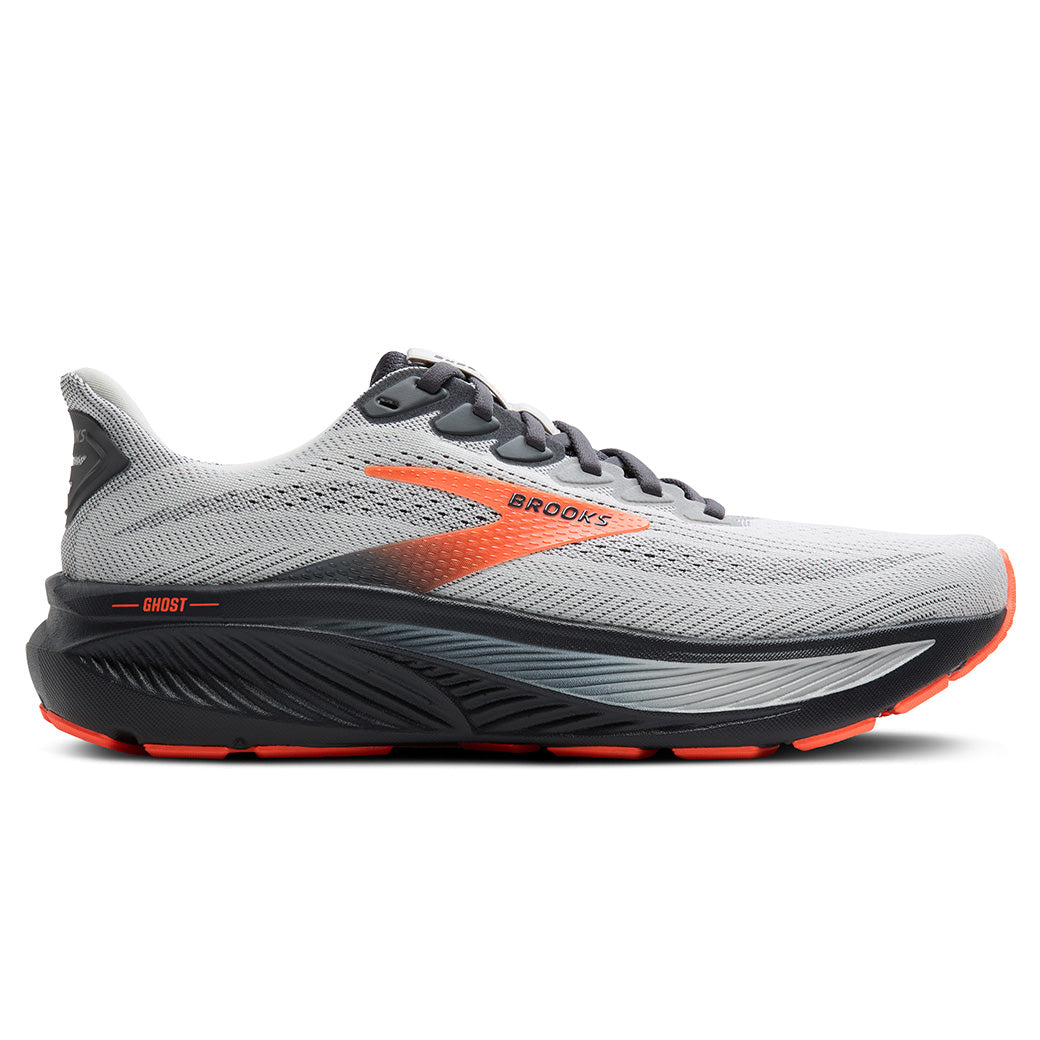 smooth
 smooth
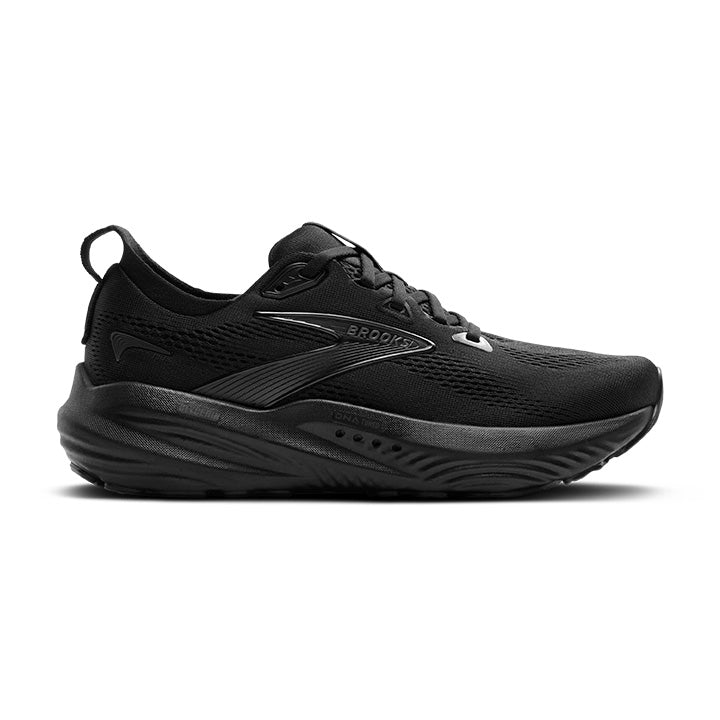 smooth
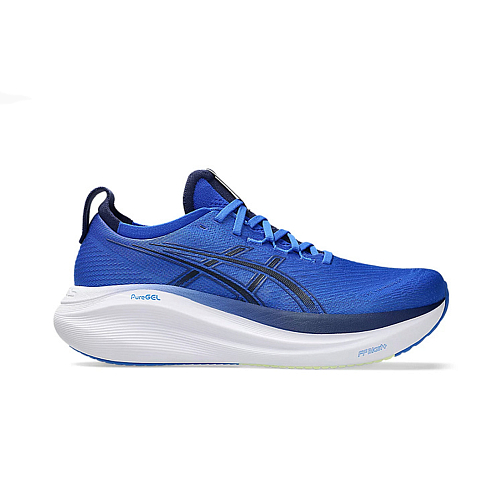 smooth
Browse the Neutral Daily Trainers collection for the model details behind this guide.