For heel slip: try the extra eyelets
If your shoe has unused top eyelets, a runner’s loop can change heel hold without tightening the entire forefoot. Feed each lace into the top eyelet on the same side, leaving a small loop. Cross the lace ends, pass each through the opposite loop, then take up slack gently before tying.
Walk first and check the pressure at the front of the ankle. More tension is not always better. If the heel still lifts substantially, revisit the size and heel shape instead of pulling harder.
For instep pressure: leave a window
Unlace down to the area just below the pressure point. Run the lace upward through the next eyelet on its own side instead of crossing over the sensitive area, then resume the usual pattern above it. This reduces the lace crossing directly over that spot.
The ASICS lacing guide describes changes for upper pressure and forefoot room. The principle is to adjust the location of tension, not to force a painful upper to stretch. Stop if numbness, tingling or pain persists after loosening the shoe.
For a cramped forefoot: release the lower laces
Loosen the laces from the bottom upward before retightening around the midfoot. Simply loosening the bow may leave the lower crossings just as tight. A roomier pattern may help when the upper has unused volume, but it cannot widen the sole beneath your foot.
Change one area at a time and compare both shoes. Feet need not require identical tension. If relieving forefoot pressure makes the whole foot slide, the issue may be the last rather than the knot. Return to a more suitable shoe shape instead of building an increasingly complicated lacing workaround.
Key points to keep in mind
- Use a runner's loop for heel slip.
- Skip an eyelet over a sensitive instep.
- Loosen the forefoot before sizing up.
Models worth comparing
As an Amazon Associate, we may earn from qualifying purchases. Model cards are catalog references, not results of a hands-on comparative test.
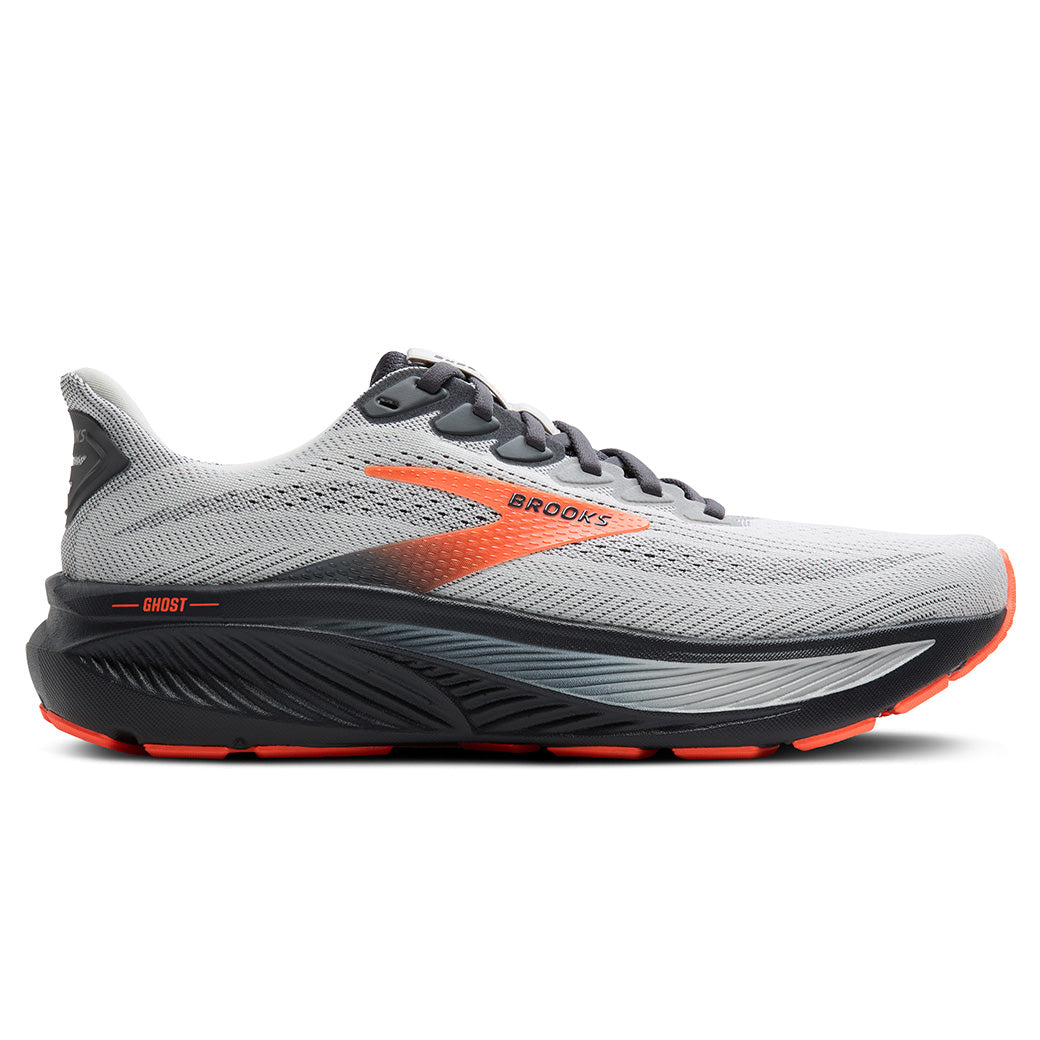 smooth
 smooth
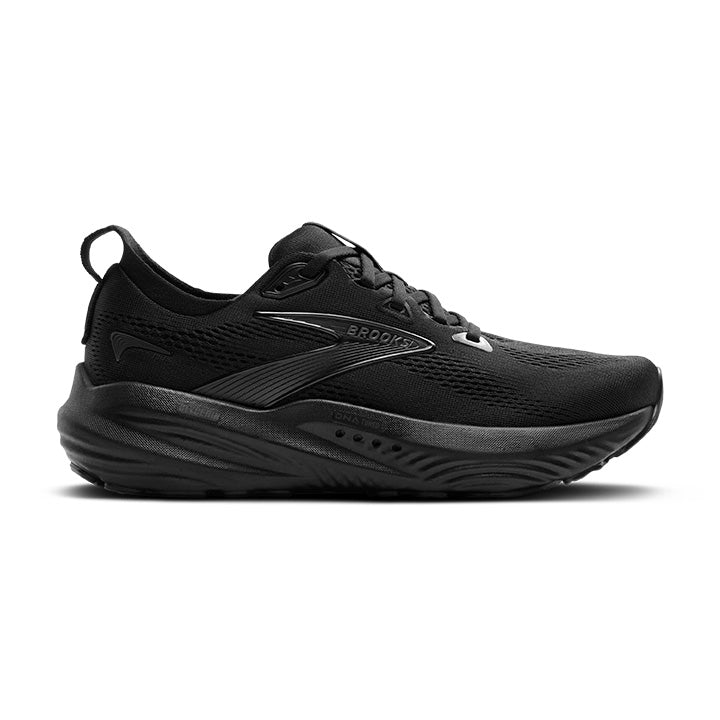 smooth
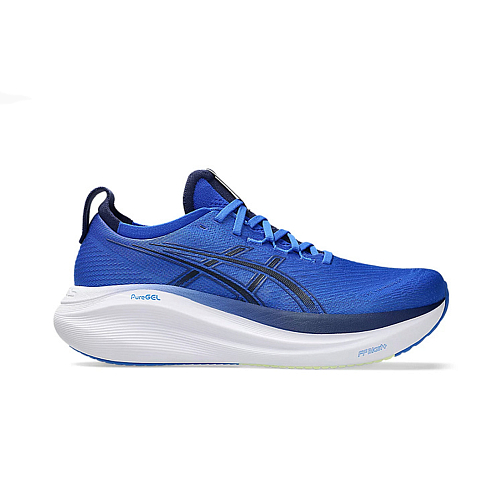 smooth
Browse the Neutral Daily Trainers collection for the model details behind this guide.