Drop is a difference, not a cushioning total
Heel-to-toe drop is the height difference between the rear and front of the shoe. A low-drop shoe can still have a thick midsole, while a higher-drop shoe need not be especially tall. Compare stack height separately if your real concern is ground feel or cushioning volume.
Drop also does not determine whether a shoe is neutral. Guidance features and heel elevation describe different aspects of construction. Avoid using one specification as a shortcut for every other part of the design.
Do not turn a number into an injury promise
A randomized trial comparing standard cushioned shoes with different drops found no overall injury-risk difference between its groups, although results differed by participants’ running history. That does not establish one best drop for everyone or prove every modern shoe with that measurement behaves identically.
Research comparing minimal footwear and foot-strike changes has also found differences in Achilles loading. Those comparisons involve more than drop alone. They support caution about substantial footwear changes, not a precise promise that adding a particular number of millimeters will fix pain.
Change gradually and keep the comparison interpretable
Do not change drop and training volume at the same time. Begin with a short familiar outing in the new pair and pay attention to calf or Achilles discomfort during and afterward. There is no universal transition schedule that makes every change appropriate.
Keep an effective setup if it works
Use symptoms and comfort—not ideology—to decide. If your established shoe works well, moving toward zero drop or a higher heel is optional. If you are already managing an injury, discuss a proposed change with the clinician involved rather than using shoe specifications as a treatment plan.
Key points to keep in mind
- Transition drop gradually.
- Do not change drop and training volume at the same time.
- Use symptoms and comfort—not ideology—to decide.
Models worth comparing
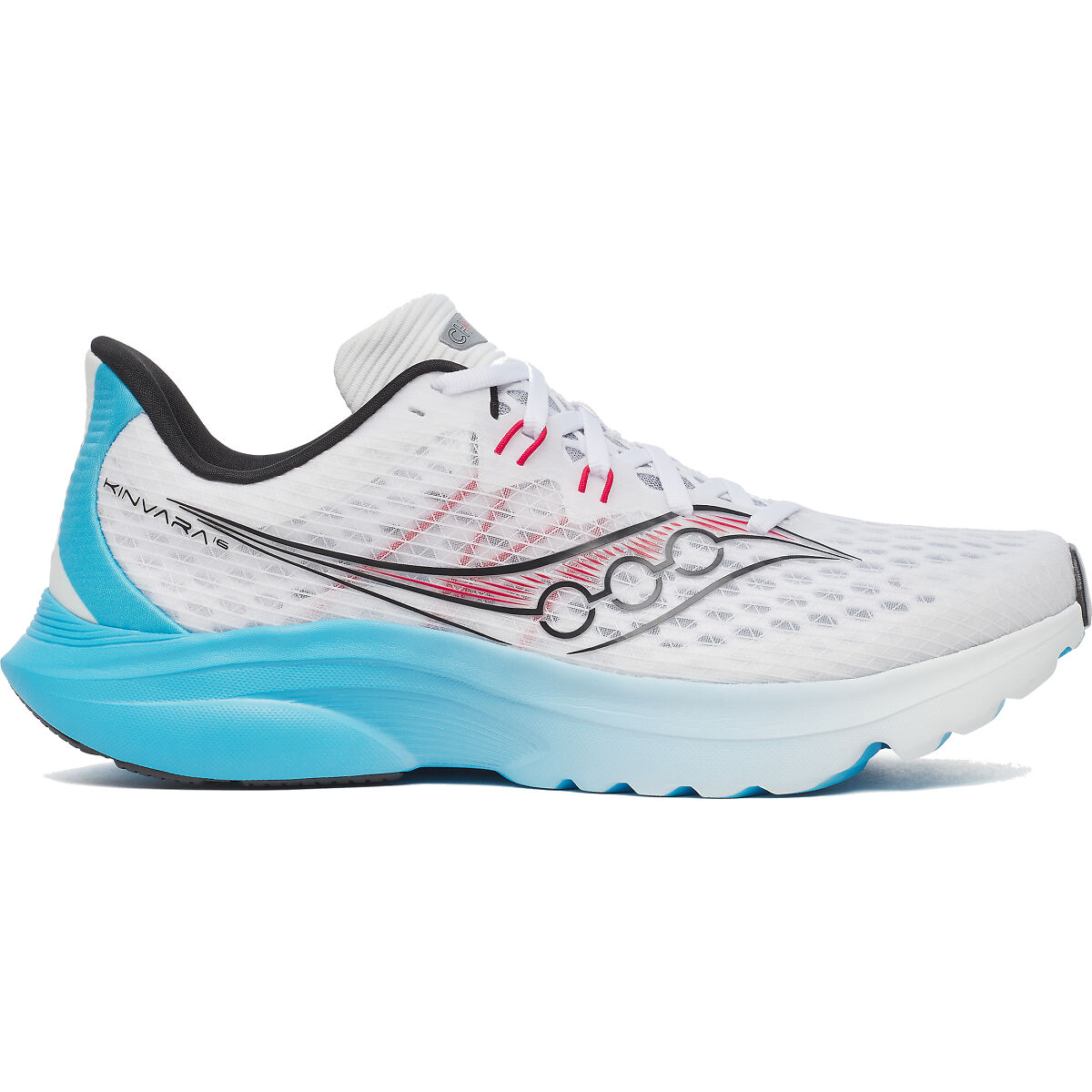
As an Amazon Associate, we may earn from qualifying purchases. Model cards are catalog references, not results of a hands-on comparative test.
 rockered
 flexible
 rockered
 rockered
Browse the Low-Drop Neutral Running Shoes collection for the model details behind this guide.
Sources and further reading
- Malisoux et al.: Heel-to-toe drop and injury risk trial
- Rice et al.: Footwear, foot strike and Achilles loading