Describe the symptoms before shopping by drop
Achilles symptoms can include pain or stiffness behind the heel, especially after rest. Guy’s and St Thomas’ describes activity increases and excessive hill running among factors that can contribute to tendinopathy. A new shoe may coincide with symptoms, but that timing alone does not establish that its drop caused them.
Write down changes in shoes, hills, speed sessions and overall activity. Include morning stiffness and symptoms after running rather than judging the situation only once you have warmed up. This information is useful if you need a clinical assessment.
Heel offset is one part of the footwear decision
The hospital’s guidance favors supportive footwear over very flat shoes. That is not a universal prescription for the largest available running-shoe drop. Foam compression, overall geometry and the way the heel is held also affect the experience of wearing the shoe.
Check the collar separately: pressure against a sensitive area can be uncomfortable regardless of the midsole specification. If a clinician recommends a heel lift, ask about the appropriate setup rather than adding one simply to imitate a higher-drop shoe.
Do not let temporary comfort replace load management
A shoe feeling better during a short run does not establish that the tendon is ready for more training. Rehabilitation commonly includes appropriately progressed exercise, and the hospital guidance notes that overloading can worsen pain. Follow an individualized plan when you have a diagnosis.
If symptoms persist or worsen, stop treating the problem as a contest between shoe models and seek professional advice. Introduce any recommended footwear change without simultaneously adding hills or hard running. The purpose is to identify a manageable setup, not to find a shoe that lets you ignore the warning signs.
Key points to keep in mind
- Change drop gradually.
- Monitor morning stiffness and run-to-run trend.
- Avoid simultaneous speed and hill increases.
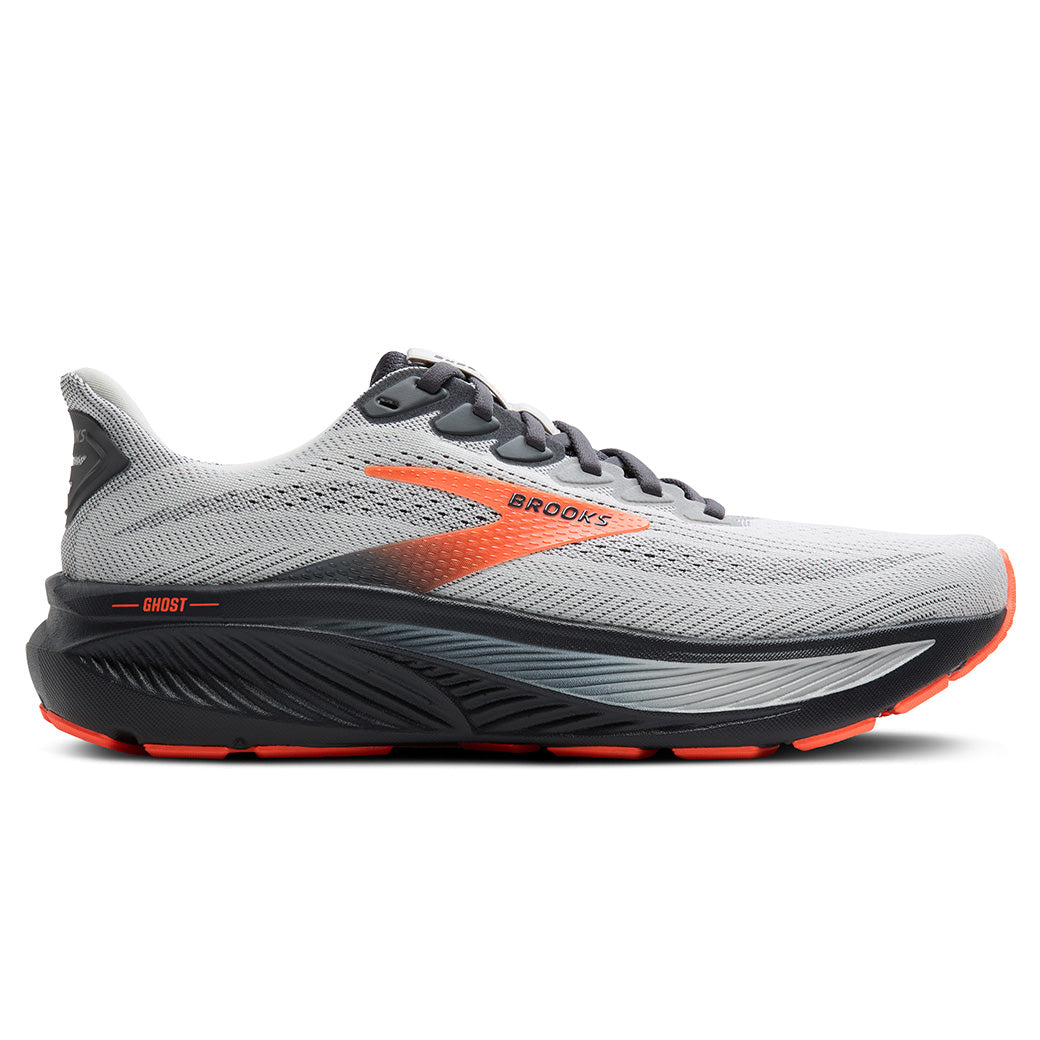
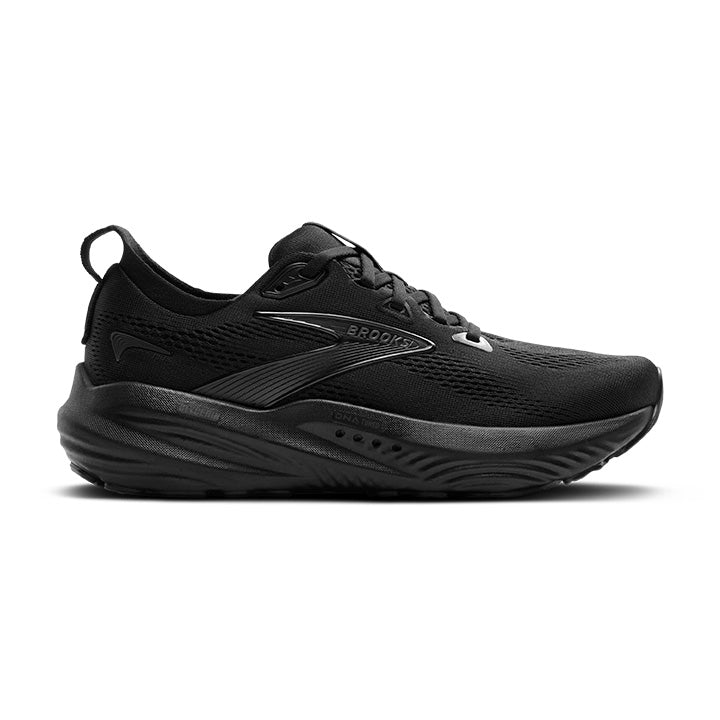
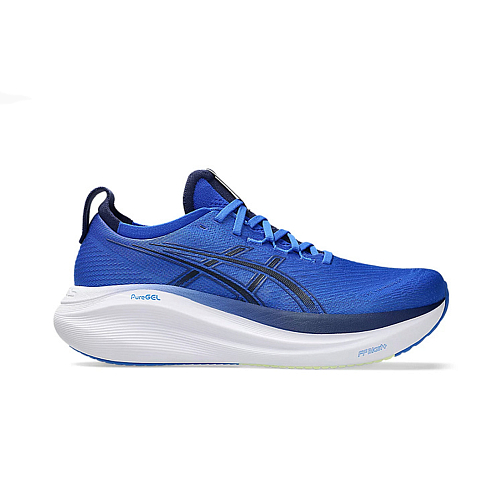
Models worth comparing
As an Amazon Associate, we may earn from qualifying purchases. Model cards are catalog references, not results of a hands-on comparative test.
 smooth
 smooth
 smooth
 smooth
Browse the High-Drop Neutral Running Shoes collection for the model details behind this guide.