Keep footwear in its supporting role
Plantar fasciitis commonly causes pain beneath the heel and arch, often noticeable on the first steps after rest. That pattern can be useful to describe to a clinician, but an online shoe guide cannot establish the cause of your heel pain. Nor does a shoe being neutral or cushioned make it a treatment.
The NHS includes cushioned, supportive footwear among self-care measures and also discusses activity changes and other care. The relevant question is how a shoe fits within that wider plan, rather than which model promises to cure the condition.
Assess heel comfort without buying a diagnosis
Consider where a shoe makes contact: beneath the heel, at the collar and across the arch. A soft first impression can coexist with an uncomfortable pressure point. If you use a recommended insole or heel pad, check that the combination leaves enough room and does not lift your heel out of the shoe.
Keep notes on symptoms across the day, including time spent standing or walking outside your runs. Changing shoes while also changing every other activity makes it harder to describe what has helped. Do not use a comfortable store trial as permission to resume a painful training load.
Know when another product search is not the next step
The NHS advises medical review when pain is severe, keeps recurring, worsens or has not improved after two weeks of self-care. Tingling or loss of sensation also warrants assessment, and people with diabetes should seek advice about foot pain.
If you already have a diagnosis, follow the plan from the treating professional and ask how footwear changes fit it. There is no need to keep purchasing softer pairs while the underlying question is whether running volume or treatment should change.
Key points to keep in mind
- Avoid declaring one model a treatment.
- Check heel comfort and calf loading.
- Change training stress as well as shoes when advised.
Models worth comparing
As an Amazon Associate, we may earn from qualifying purchases. Model cards are catalog references, not results of a hands-on comparative test.
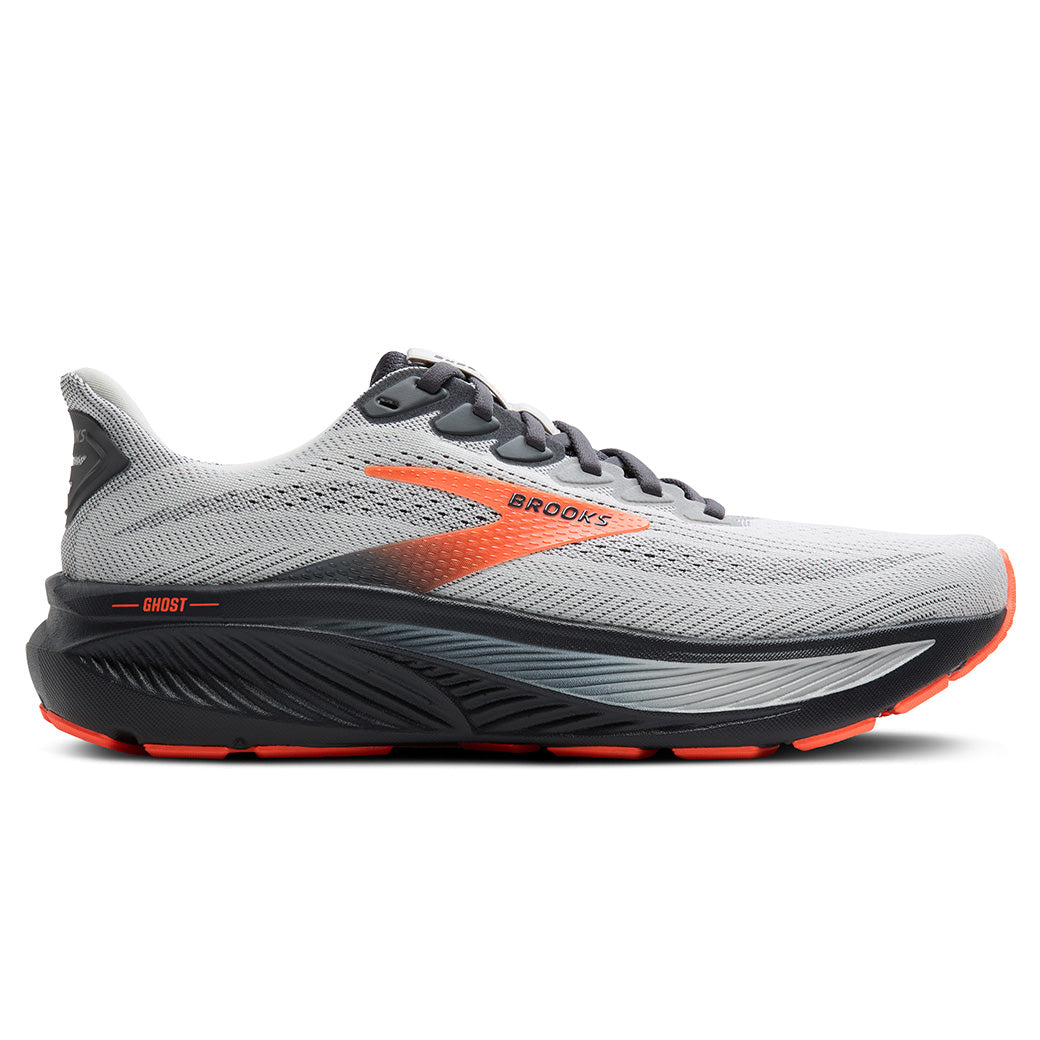 smooth
 smooth
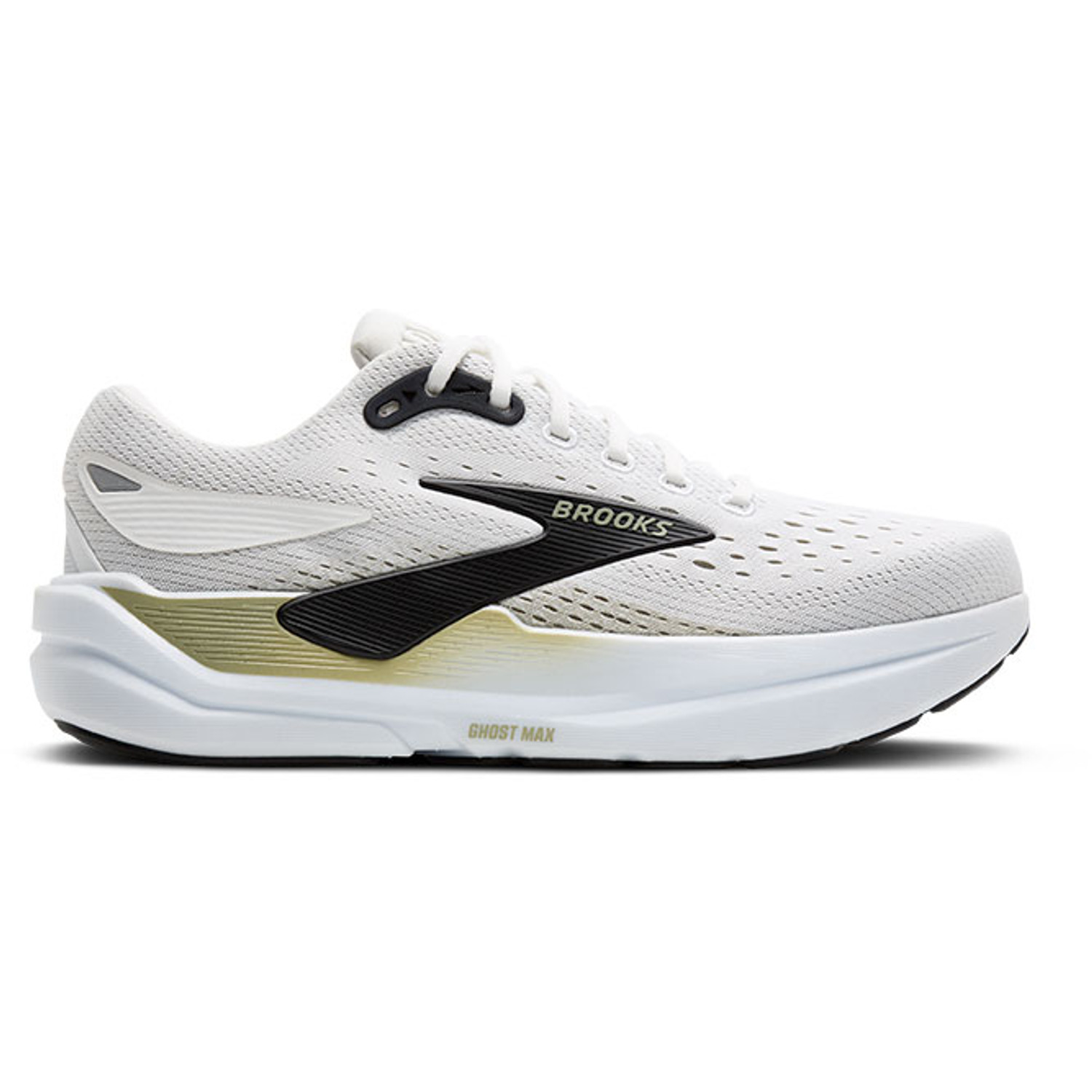 rockered
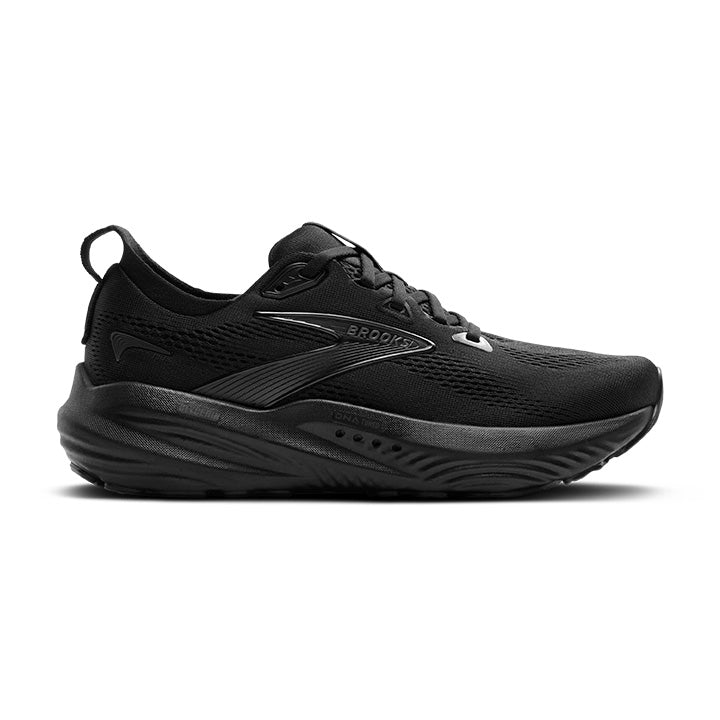 smooth
Browse the Neutral Cushioned Running Shoes collection for the model details behind this guide.