Why the waist of the shoe deserves attention
A midfoot landing brings attention to the area beneath the arch and the transition toward the ball of the foot. A shoe can have a broad heel and forefoot yet feel narrow through this middle section. Inspect that shape instead of assuming a wide-looking shoe provides an equally wide platform everywhere.
Avoid a midfoot pinch from narrow waists. Identify whether the pressure comes from the upper, the sidewall or the shape beneath your arch: loosening laces can address upper tension, but it will not widen a hard edge under the foot. An obvious pressure point is a reason to compare another shape.
Check continuity at more than one pace
Run at easy pace before trying a faster segment. You are looking for a landing that leads into the next step without a noticeable ridge, gap or abrupt change under the middle of the foot. This is a practical sensation check, not a requirement that every outsole be physically flat or uninterrupted.
Test at easy and tempo cadence if both belong in your training. You may contact the ground differently as pace or fatigue changes; a shoe that works only when you exaggerate a particular landing is a poor basis for an everyday purchase.
Drop alone does not determine strike location. Avoid selecting a low-drop model solely because you identify as a midfoot striker. The familiar pair in which you already run comfortably is a better comparison point than a category chart.
Do not overinterpret one video frame
A side-on clip can help describe contact, but the camera angle, speed and point in the run affect what you see. It cannot establish that a shoe will prevent injury. Research on strike patterns examines multiple loading measures; those measures do not reduce to a single universally ideal contact position.
Key points to keep in mind
- Avoid a midfoot pinch from narrow waists.
- Test at easy and tempo cadence.
- Drop alone does not determine strike location.
Models worth comparing
As an Amazon Associate, we may earn from qualifying purchases. Model cards are catalog references, not results of a hands-on comparative test.
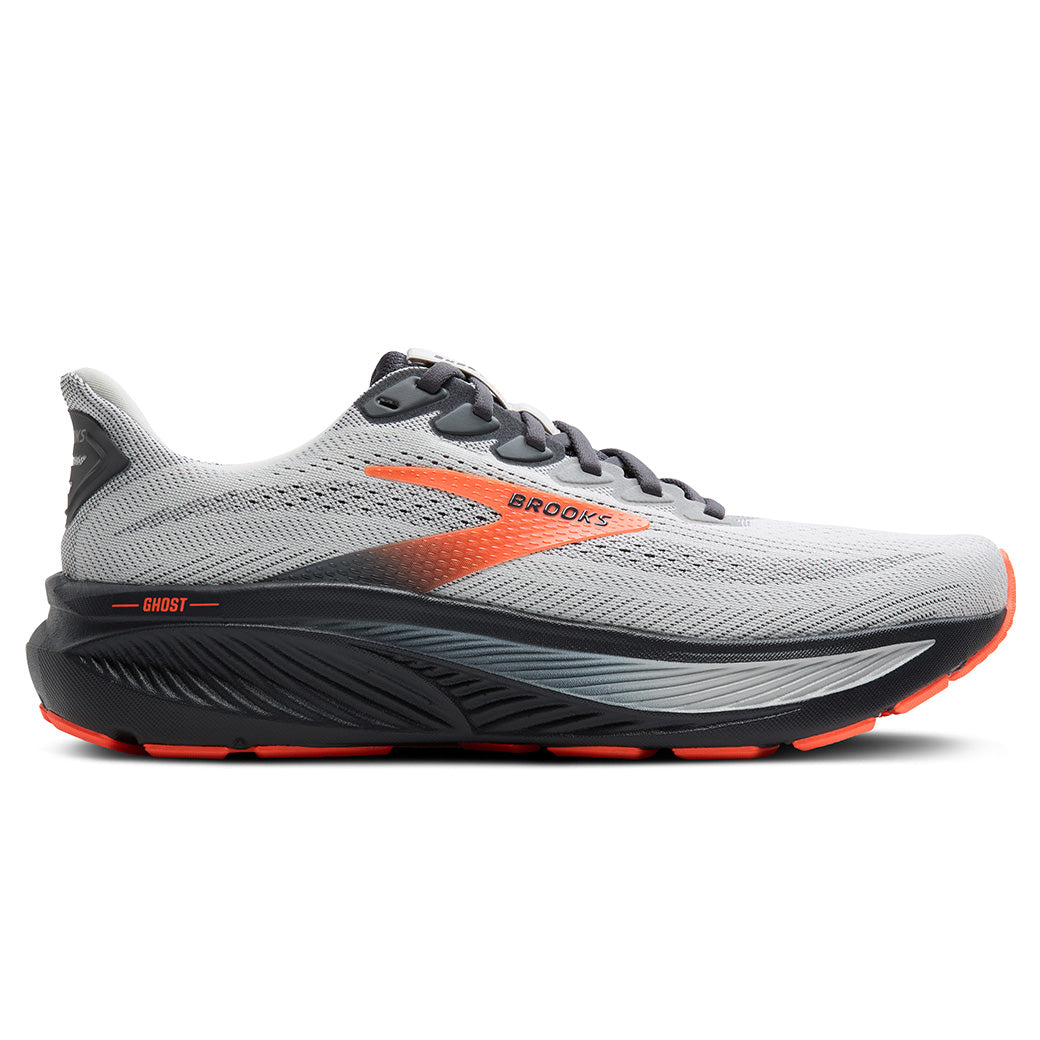 smooth
 smooth
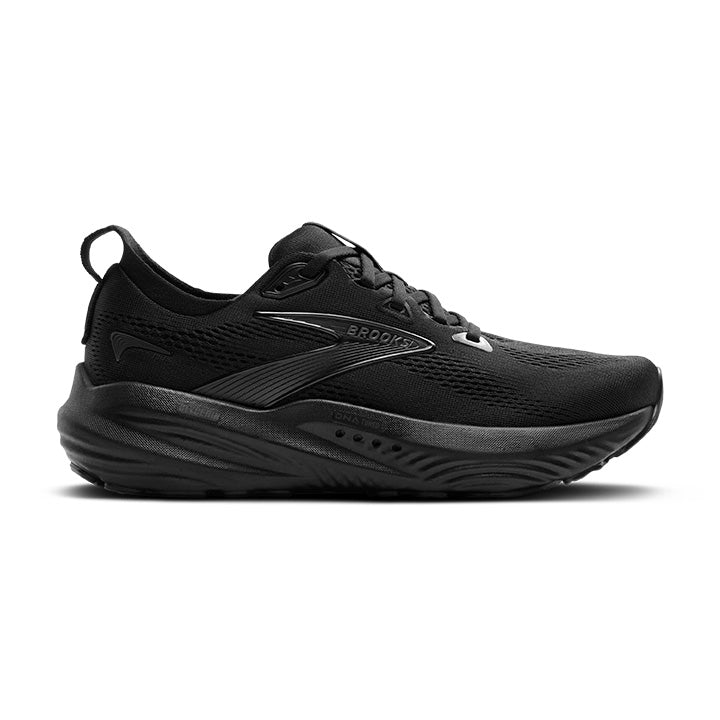 smooth
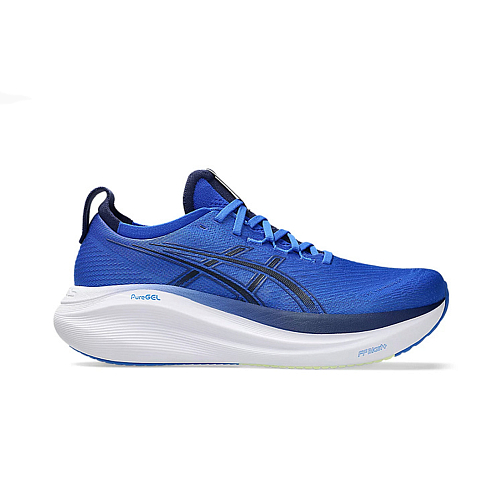 smooth
Browse the Neutral Daily Trainers collection for the model details behind this guide.